

IoT development with AI analytics that connects devices to the business
Netbase provides IoT development for manufacturers, logistics operators and product companies to connect devices and sensor data to the business platforms that act on them, with AI that spots anomalies and forecasts what needs attention. We design the device-to-cloud data path, build the back end, dashboards and integrations, and treat security, data ownership and AI as design decisions.
Book a solution review View relevant workReviewed by David (CEO) · Updated 17 Sep 2026

Planning a connected product or a sensor rollout? Book a solution review.
What IoT development includes
A device on its own produces readings. Value appears only when those readings reach a system that does something with them: raises a work order, updates stock, warns a customer or feeds a forecast. IoT development is the work between the device and that decision. It belongs to our Enterprise Platforms family, because most of the effort sits in the platform, the data and the integrations rather than in the device.
Included
- Device-to-cloud architecture and data model
- Ingestion services and APIs for device data
- Device registry, provisioning and access rules
- Dashboards, alerts and operator screens
- Integration with ERP, commerce, maintenance and logistics systems
- Data storage, retention and export rules
- Anomaly and trend detection as an AI option
Not included
- Device hardware and electronics design
- Radio or safety certification of devices
- Network installation on site
- Resale of connectivity or device contracts
When to use it, and when another route fits
IoT development pays off when device data should change what a business does, not only what a screen shows.
Good fit
- Machines, vehicles or products already produce data that nobody acts on
- Readings must reach ERP, maintenance or order systems
- A product company wants a connected version with a customer portal
- Several device types must report into one platform
Another route fits better
- You need a single off-the-shelf sensor kit with its own app
- The question is which device to buy
- There is no owner for the data and the decisions it drives
- A one-off data export would answer the question
Where many systems must exchange data, the platform side follows our integration hub design. Other routes are in the services directory.
Outcomes and buyer jobs
Operations and product leaders look for IoT development to:
Readings become alerts, work orders and reports with an owner.
Device events update ERP, maintenance, stock and order records without re-keying.
A portal or app shows device status and history under the customer's own account.
Ownership, retention and access are decided before the first device reports.
Capability modules and deliverables
Devices, signals, frequencies and the decisions each signal should drive
Ingestion, storage, processing and integration design with failure paths
Registry, provisioning, identity and role-based access
Dashboards, alerts and portal screens
Connections to ERP, commerce, maintenance and logistics systems
Retention rules, exports and trend reports
Anomaly detection and forecasting prototypes with a review step
Delivery process, team and governance
IoT work follows our six-step delivery lifecycle:
-
Discovery and strategic alignment
We list the devices and signals, and agree which decisions the data must support.
-
Team assembly and architecture planning
A solution architect designs the data path, the device identity model and the integrations.
-
Agile execution with outcome-based milestones
A small set of real devices reports end to end before the platform is scaled.
-
Modular and productized components
Common parts such as user roles, dashboards and notifications reuse proven modules.
-
Training, rollout and optimization
Operators learn the screens and alerts; thresholds are tuned against real data.
-
Ongoing support and co-building
New device types and integrations are added in planned releases.
Teams range from 3 to 30 people, and work typically starts within one to two weeks after discovery. The pilot-first plan is lean: prove one data path, measure, then scale. The platform is API-first, so mobile apps, partner systems and AI models read the same device events, and the team works remote-first from Hanoi in English, with weekly reviews, KPI dashboards and a dedicated account manager and project manager. Connected devices widen the attack surface, so security is part of the design: role-based access control, MFA for admin dashboards, TLS in transit and AES at rest, secure code review, vulnerability scanning and disaster recovery planning. We also check device capabilities against published guidance such as NIST IR 8259, which sets out foundational cybersecurity activities for IoT device manufacturers.
AI in this service
AI with IoT is one of Netbase's AI capability areas. It adds three things to a connected platform: anomaly detection that flags readings outside normal patterns, forecasting that estimates when a machine or stock level needs attention, and computer vision where a camera is the sensor. Each model starts as a prototype on your historical data, runs next to the existing rules before it replaces any of them, and sends its alerts to a person who confirms the action. AI-assisted delivery supports the build as well: code assistance and generated test data speed up integration work, and engineers review every change.
-
Available capability
AI with IoT, anomaly detection and forecasting
A strategic capability area; not yet tied to a published IoT project.
-
Available capability
Machine learning, NLP, computer vision and generative AI
The other AI capability areas Netbase offers; not yet tied to a published IoT project.
Engagement models and commercial variables
Most Netbase projects are delivered on fixed-price contracts agreed after discovery; for IoT, a fixed-price first phase that proves the data path with real devices is the usual start. Milestone-based, monthly team retainer and KPI-linked terms are also offered, and a dedicated development team is a secondary option for a long platform roadmap. We do not publish rate cards.
What moves effort and cost: the number of device types and protocols, message volume and frequency, the systems to integrate, offline and edge requirements, data retention and the security review your sector needs.
Technology as an implementation choice
The device protocol is chosen with your device maker; the platform behind it is chosen for volume, latency and the team that will run it. We compare service frameworks and APIs on our backend platforms page and host on AWS, Google Cloud, DigitalOcean or Cloudflare, without claiming a cloud partner tier.
Technologies we build with




Industry applications
Manufacturing and logistics. Machine status, energy use, vehicle location and warehouse conditions only matter when they reach maintenance, planning and delivery systems. Manufacturing is one of the industries Netbase names, and the platform patterns here are the ones used in production and fulfilment software.
Printing and packaging. Print production already runs on routed jobs and machine queues. Connecting production equipment to order and fulfilment software is a natural extension of the web-to-print platforms Netbase builds.
 Manufacturing and logistics: connected orders, stock and shipments with AI-assisted planning
Netbase helps manufacturers, distributors and logistics operators connect planning, production, warehouse and transport systems, so orders, stock and shipments move without re-keying and AI forecasts work on data that agrees. We lead with consulting, integration and custom development, and we have delivered an operations and integration platform for a manufacturing and logistics client, who is not named.
Learn More
Proof: platforms that route data to operations
Evidence maturity: IoT development is a strategic vision. No IoT project is published yet. The records below show the platform and integration side of the work: software that takes events from one system and routes them into operations.
Printcart (Netbase Business Division). A web-to-print and print-on-demand platform that turns online orders into print-ready files and routed fulfillment, running on a merchant's own store or as Shopify, Wix and WooCommerce apps. See the Printcart record.
Geo-Tek IT Solutions (Cyprus). An online design platform that had to fit the company's existing systems. After launch, order processing time fell 30% and revenue grew 36% in the first quarter. Read the Geo-Tek case.
More projects are in our work.
Geo-Tek IT Solutions, a printing and design-services company in Cyprus, needed an online design platform that worked on every device and fitted its existing systems.
Keep Reading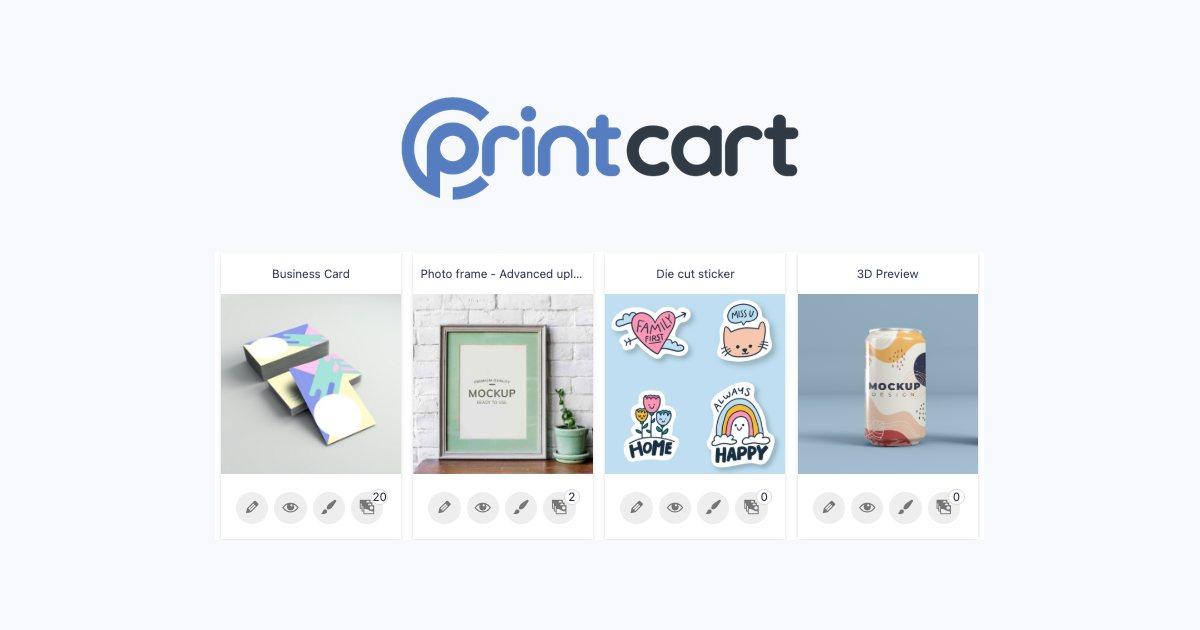
Printcart is Netbase's own web-to-print SaaS, and this record shows what we built.
Keep ReadingBuyer FAQ
It depends on device types, volume and integrations. A first phase connects a small set of real devices end to end, and its dates are agreed before work starts.
You own the IP created for you in custom development, and data ownership and retention are written into the design. Netbase modules and Business Division products are licensed, not transferred.
No. We work with your device maker's hardware and interfaces, and build the platform, integrations and applications around them.
Yes. Integrations are scoped in discovery, and each one has a documented contract and failure path.
Only within rules you approve. Models flag anomalies and forecast needs; a person confirms actions such as a work order or a shutdown until the model has earned a narrower, rule-based automation.
Device identity, access control and encryption are designed in, and each device type is reviewed against published IoT security guidance.
Collecting data nobody uses. We start from the decisions the data must drive and connect only the signals they need.
Related solutions
 Enterprise integration hub ready for AI agents: one monitored layer for commerce, ERP and CRM data
An enterprise integration hub is a central layer that moves orders, customers, stock and invoices between your commerce, ERP and CRM systems, with monitoring, retries and replay in one place, and scoped APIs that AI agents can call safely. Netbase builds it as a custom layer on the stack you already run, starting from the flows that break most often.
Learn More
Service owner and next step
This service is owned by David, Netbase's Chairman, founder and CEO, and maintained by the Netbase Editorial Team. Want device data to reach the people who act on it? Book a solution review, or view relevant work first.
Discuss a project
Netbase JSC helps organizations design, build, modernize, and operate digital products and AI-enabled business systems.+84 937 869 689
91 Nguyen Chi Thanh, Dong Da, Hanoi, Vietnam
Get in touch
Tell us what you want to build, modernize, or operate.