

AI-enabled enterprise platforms that keep commerce, ERP and CRM in sync
Netbase provides enterprise platform development for companies whose commerce, ERP, CRM and operational systems no longer agree with each other. Through custom development, API integration and AI-assisted automation, we connect those systems so orders, customers and inventory stay consistent, and your teams stop fixing the same data by hand.
Book a solution review View relevant workReviewed by David (CEO) · Updated 17 Sep 2026

Revenue grew 36% in the first quarter after launch
Order processing time fell 30% at Geo-Tek
Netztech moved to Magento 2 Commerce in 35 working days
What Enterprise Platforms covers
Growth rarely breaks one system. It breaks the joins between them: an order that never reaches the warehouse, a customer record that differs in three places, stock levels that are right in the ERP and wrong on the storefront. Enterprise Platforms is the family of services that fixes those joins and builds the platforms around them.
It includes commerce platforms, ERP and CRM development, API and system integration, data migration between platforms, and the automation of the workflows that run across them. It does not include buying and configuring an off-the-shelf suite with no custom work, or pure infrastructure hosting. For other routes, see all service families.
Services in this family
-
E-commerce development
Sell online on a platform that fits the business model
Typical deliverable Storefront, checkout and admin, or a full platform migration
-
Systems and API integration
Make systems exchange data reliably
Typical deliverable Integration layer, APIs and data synchronization jobs
-
ERP and CRM development
Run sales and operations on software shaped to the business
Typical deliverable Custom ERP or CRM modules connected to commerce
-
Digital workplace automation
Take manual steps out of internal workflows
Typical deliverable Automated approval, document and task flows
-
IoT development
Bring connected-device data into operations
Typical deliverable Device data pipeline into business systems
ERP and CRM development and digital workplace automation have their own pages. IoT development is an investment area that we scope case by case.
Platforms we deliver on
Our delivery record covers WooCommerce, Magento 2, Laravel and headless commerce, and the wider stack includes Shopware, Shopify, Salesforce, Akeneo, Odoo and Symfony. The right platform is the one your team can run and extend. The full picture, with trade-offs, is on our commerce and enterprise technology page.
When this family fits
Choose Enterprise Platforms when the joins between systems, not a single application, hold the business back.
Typical signs:
- two or more core systems hold the same data and disagree about it;
- a platform is reaching end of life and has to move without losing data;
- a new sales channel or marketplace has to plug into existing operations.
If the problem sits inside a single application with no integration, our product engineering route is usually shorter.
Technologies we build with








Proof: platforms connected, platforms moved
Geo-Tek IT Solutions (Cyprus). The printing and design-services company needed an online design platform that worked on every device and fitted its existing systems, which could not handle digital order workflows. Netbase built a responsive e-commerce platform and integrated it with those systems. Revenue grew 36% in the first quarter after launch, repeat transactions rose 24% and order processing fell 30%. Read the Geo-Tek case.
Netztech. Netztech needed to move its online store from Magento 1 to Magento 2 without starting over. Netbase delivered the migration to Magento 2 Commerce in 35 working days, moving the store and its data onto the new platform and migrating 11 extension modules. Read the Netztech migration story.
More examples are in our work.
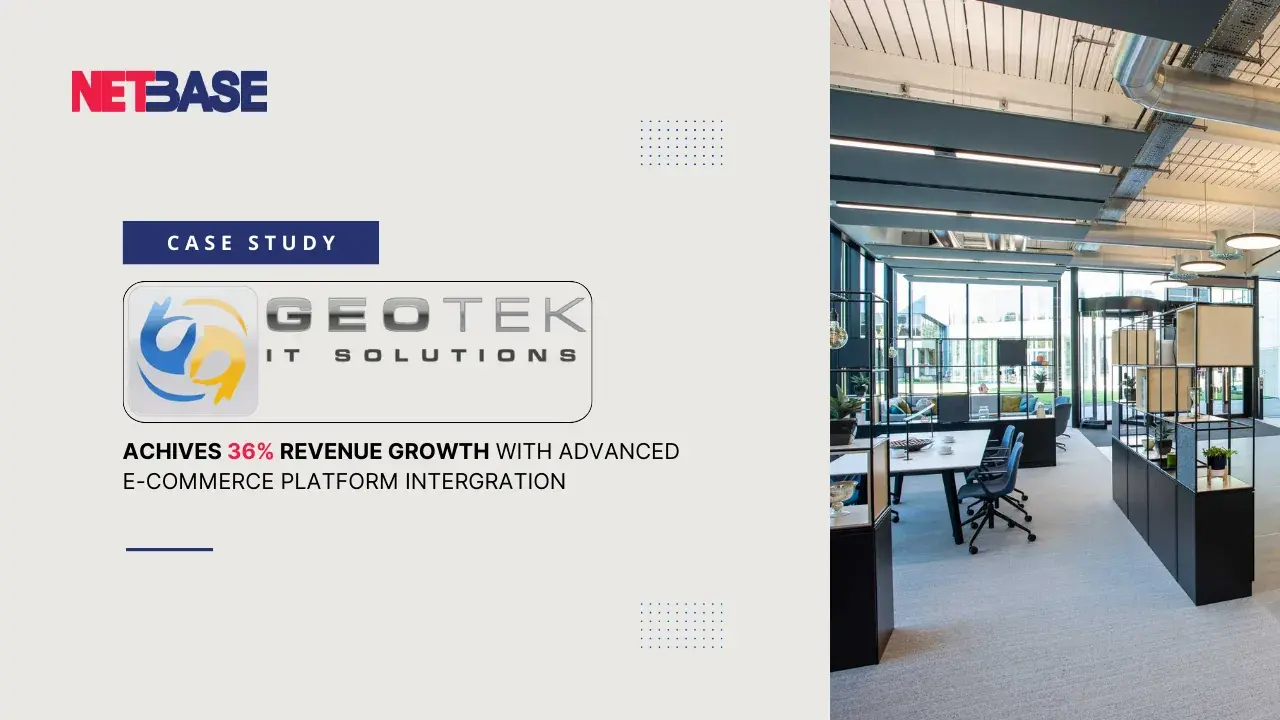
Revenue grew 36% in the first quarter after launch.
Keep Reading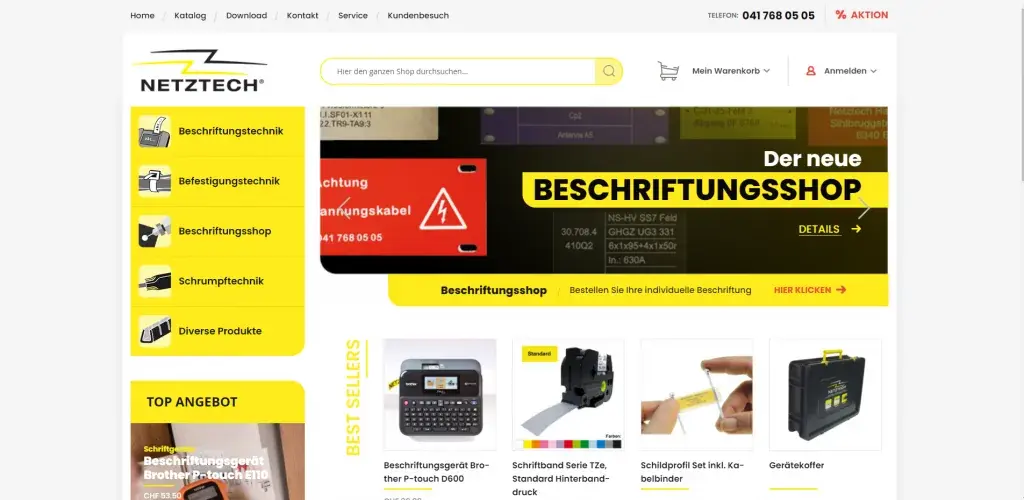
Netztech Handels AG, a Swiss supplier of labeling, fastening and shrink technology, moved its busy online store from Magento 1 Community Edition to Magento 2 Commerce with Netbase JSC.
Keep ReadingHow we engage
Most Netbase projects are delivered on fixed-price contracts agreed after discovery.
-
Map the landscape
We document every system, data flow and owner, and mark where data breaks today.
-
Design the target platform
We choose platforms and integration patterns, define the source of truth for each data type, and plan migration in stages.
-
Build and integrate
We deliver in milestones, testing each integration against real data before it goes live.
-
Cut over and support
Migration, go-live, training and ongoing support, with the integrations monitored after launch.
Delivery is Agile and remote-first, with weekly reviews and English communication from Hanoi; integrations are API-first and secure by design, with role-based access and encrypted data flows.
AI in this family
Connected systems are what make AI integration useful. Once orders, stock and customers agree, AI can read incoming purchase orders and invoices, enrich product data, forecast stock, score leads in the CRM and answer staff questions across systems, with people approving anything that posts to the ledger. In delivery, AI drafts field mappings and integration tests that engineers verify. Where AI runs in delivered work, and where it is a growth capability:
-
In delivered commerce work
Recommendation engine
Built for 4over4's online printing store, not for an enterprise platform project.
-
Available capability
AI document capture, forecasting and assistants across ERP, CRM and commerce
Machine learning, NLP, generative AI and AI with IoT that Netbase offers; not yet tied to a published enterprise platform case.
Where it applies
Our enterprise platform proof comes from retail and e-commerce businesses and printers that sell online. When a business adds sellers, not just products, the build usually starts from our e-commerce marketplace solution.
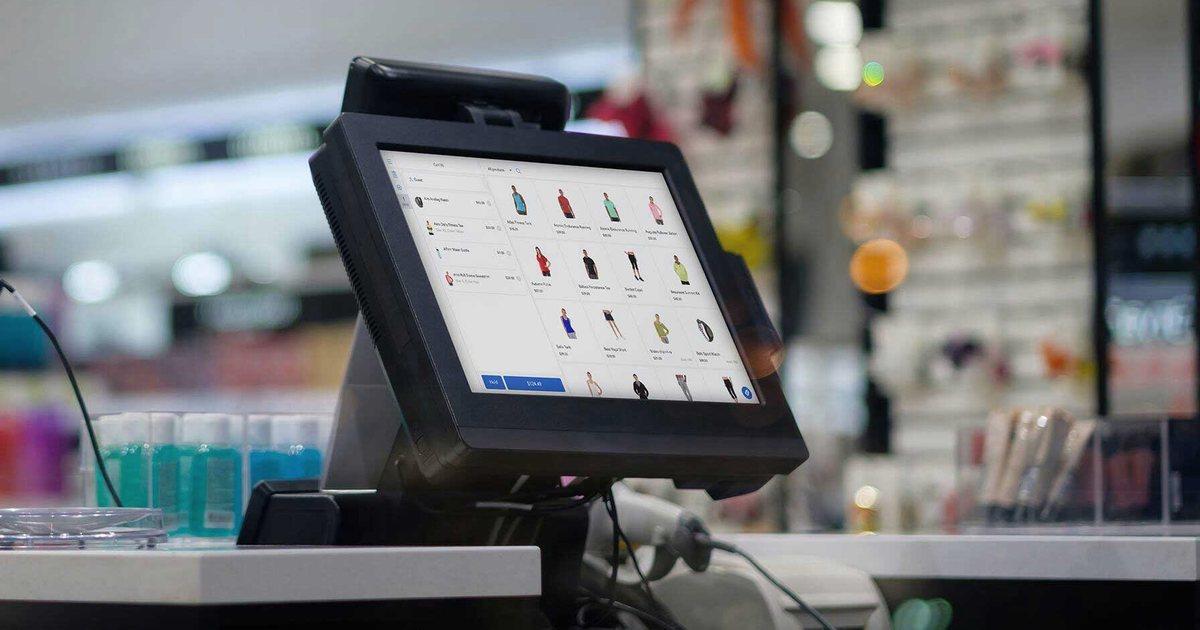 Retail and ecommerce: AI-enabled storefronts, marketplaces and order operations
Netbase helps retailers and online merchants modernize storefronts, marketplaces and order operations, and adds AI where it pays: search, recommendations, catalog enrichment and order exceptions, with your team approving what shoppers see. Results are published: Geo-Tek IT Solutions grew revenue 36% in the first quarter after its new ecommerce platform launched, and an EU fashion marketplace grew GMV 47%.
Learn More
Buyer FAQ
Yes. Integration with existing systems is the core of this family, and discovery starts by mapping them.
We plan migration in stages and test each step with real data before go-live.
Typically 1–3 months for a small e-commerce build, 4–6 months for a mid-sized platform and 6–12+ months at enterprise scale. The number of integrations and the volume of data to migrate move a project within those ranges.
The one your team can run and extend. We compare options against your catalog, integrations and in-house skills before recommending one.
Yes, once the systems agree. AI reads documents, forecasts stock or answers staff questions through the same integrations, and postings to finance keep a human approval.
Not necessarily. Discovery shows whether fixing the joins between systems is enough before anything is replaced.
Related solutions
 Multi-vendor marketplace development: vendors, catalog, payouts and AI search on one platform
A multi-vendor marketplace is a commerce platform where many independent sellers list, sell and get paid through one storefront. Netbase's marketplace solution covers vendor onboarding, a shared catalog, split payments and payouts, with AI for search, listing enrichment and fraud checks. For an EU fashion-tech marketplace, Netbase's work grew gross merchandise value (GMV) 47% and cut vendor onboarding time 60%.
Learn More
Next step
Tell us which systems disagree. Book a solution review, or view relevant work to see platforms we have connected.
Discuss a project
Netbase JSC helps organizations design, build, modernize, and operate digital products and AI-enabled business systems.+84 937 869 689
91 Nguyen Chi Thanh, Dong Da, Hanoi, Vietnam
Get in touch
Tell us what you want to build, modernize, or operate.