

From first call to a working team: what a realistic software project start timeline looks like
A software project start runs through seven stages, from the first call to the first sprint, and most delay sits in the gates the buyer controls: information, sign-off, contract and access. At Netbase, work typically starts within 1-2 weeks after discovery; the time before that depends on how quickly both sides close each gate.
Book a solution review See how Netbase worksBy Netbase Delivery and Quality Desk · Reviewed by David (CEO) · Updated · 10 min read

This guide is for founders, product owners and operations leads who are about to contact a software partner and want a start plan they can hold any partner to. It sits in the partner-selection cluster led by choosing a large or boutique Vietnam IT vendor, and the delivery behind it is custom software development.
In this guide
- How long does it take to go from a first call to a working team?
- Which stages sit between the first call and the first sprint?
- What usually delays the start, and who controls it?
- How to run the start, step by step
- Where AI fits
- What delivery record exists, and what does not
- Alternatives: other ways to start a software project
- Limits of this guide
- Frequently asked questions
- Next step
How long does it take to go from a first call to a working team?
There is no single honest number, because the start is a chain of gates and each gate waits for a person. What can be planned is the order of the gates and who closes each one. The partner-side steps, such as forming a team once discovery is done, are usually short and predictable; the buyer-side steps, such as approving scope, signing a contract and granting access, vary the most.
Discovery is the stage with the widest range. The GOV.UK Service Manual says there is no set length for a discovery and that around 4 to 8 weeks is typical for a public service (GOV.UK Service Manual). A small, well-understood business workflow needs far less; a new product with unknown users needs more. The same manual says a team should not start building in discovery, which is why a credible start plan separates learning from building.
A realistic start timeline therefore names a range per stage, states what closes the stage and marks which side owns the waiting. A partner that quotes one fixed start date before it has seen your scope is guessing.
Which stages sit between the first call and the first sprint?
The table maps the seven stages. Use it as a shared checklist with any partner: each row closes only when its gate is met, not when a date passes.
| Stage | Gate that closes it | Who must act | Common blocker |
|---|---|---|---|
| 1. First call | Problem, goal and decision-maker named; next step agreed | Buyer decision-maker and a partner lead who can commit | The person on the call cannot decide scope or model |
| 2. NDA and information | NDA signed; current systems, data samples and constraints shared | Buyer legal and the system owner | Legal review queue; nobody owns the old system |
| 3. Discovery | Scope, priorities, architecture direction and success measures written and agreed | Buyer product owner, partner analyst and architect | Stakeholders unavailable for interviews |
| 4. Proposal and contract | Fixed-price or other model chosen; milestones and acceptance criteria signed | Buyer budget holder and procurement | Procurement forms, insurance or vendor onboarding |
| 5. Access and environments | Repository, cloud, test data and tool accounts granted | Buyer IT and security | Security review of accounts; no test data |
| 6. Team forming and kickoff | Named team, roles, meeting rhythm and escalation path confirmed | Partner, with the buyer product owner present | Product owner not yet named |
| 7. First sprint | Sprint goal set; first increment reviewed against the Definition of Done | Both teams | Backlog items without acceptance criteria |
Stages 2, 4 and 5 are mostly buyer-side, and they can run in parallel with discovery if you start them on the day of the first call.
What usually delays the start, and who controls it?
The slowest stage is rarely engineering. In practice the start waits for one of four things: a decision-maker's time, a legal or procurement queue, access to systems, or a named product owner on the buyer side.
The Scrum Guide describes the Product Owner as one person, not a committee (Scrum Guide). If your company cannot name that person before kickoff, the first sprint will stall on priorities whatever the partner does. The same guide defines Sprint Planning as the event that lays out the work of the sprint, which needs a backlog someone on your side has already ranked.
Access is the second common blocker. A partner cannot run a first sprint without a repository, an environment and data it may use for tests. Ask your IT and security owners on day one what they need to grant those, and start their review while discovery runs.
Contract and procurement come third. A buyer that sends its vendor forms only after the proposal is accepted adds a full review cycle to the start. Sending the forms after the first call removes it.
When should you not compress the start?
Do not shorten discovery when users, data or integrations are unknown, when regulated or personal data is involved, or when nobody can yet own acceptance. A short start in those cases moves the learning into paid sprints, where it costs more to change. Compress only the waiting, never the gates.
How to run the start, step by step
-
Prepare before the first call
Write the problem in one paragraph, name the decision-maker and the product owner, and list the systems the software must connect to.
-
Send the NDA and vendor forms early
Start legal and procurement in parallel with the first conversations instead of after the proposal.
-
Book discovery time with your people
Reserve interview slots for the users and system owners the partner will need, so discovery is not waiting for calendars.
-
Agree scope and acceptance in writing
Close discovery with a written scope, priorities, architecture direction and success measures, then turn them into milestones with acceptance criteria both sides sign.
-
Request access while the contract is signed
Raise the repository, cloud, test data and tool requests so they land on the day the contract is signed.
-
Hold a kickoff with names, not roles
Confirm who builds, who tests, who decides on your side, how often you meet and how a problem is escalated.
-
Review the first increment against the Definition of Done
Judge the first sprint by a working, tested increment, not by hours or slides.
A kickoff is usually where both teams introduce themselves and state their roles and responsibilities; one agency's description of the meeting lists the partner's project manager and the client's product owner as core participants (Holdapp). Step 6 asks for the same, with real names.
Where AI fits
AI shortens the clerical part of the start: it can turn first-call and discovery notes into a draft scope, propose a first cut of the backlog with acceptance criteria, and build the access and environment checklist from your system list. In a Netbase project, the analyst, the architect and the project manager still check every requirement against what users said, decide the architecture and confirm acceptance criteria with your product owner. Netbase works with the major commercial and open-source AI tools and models, chosen per project.
The delivered AI feature named with a client is 4over4's recommendation engine, which suggests products from browsing history and previous purchases, described in the 4over4 e-commerce conversion record. Beyond it, Netbase has delivered AI projects for clients that are not named, including retrieval-augmented knowledge assistants, document AI and MLOps pipelines.
- In delivered work
RAG knowledge assistant
A retrieval-augmented knowledge assistant delivered for a client that is not named.
- Available capability
AI-drafted discovery notes and backlog
Discovery notes and a first backlog drafted by AI and checked by a person before sign-off; not yet tied to a published case with start-time figures.
What delivery record exists, and what does not
The Netbase delivery lifecycle has six steps: discovery and strategic alignment; team assembly and architecture planning; agile execution with outcome-based milestones; modular and productized components; training, rollout and optimization; and ongoing support and co-building. The how Netbase works page shows each step and what the buyer contributes.
Teams of 3 to 30 people combine business analysts, project managers, solution architects, developers, QA and UI/UX designers, and work typically starts within 1-2 weeks after discovery. Most Netbase projects are delivered on fixed-price contracts; milestone-based, monthly team retainer and KPI-linked models are also offered, compared on the engagement models page. In fractional AI leadership work, each milestone has a written outcome and acceptance criteria agreed before it starts. For custom development, the client owns the IP created for it.
Netbase is a consulting company first: consulting, solutions, custom development and AI-enabled transformation lead, and dedicated teams are a secondary delivery option.
What does not exist: no published average time from first call to contract, no average discovery length and no on-time start rate for Netbase. This page gives a stage map a buyer can apply to any partner, not results.
Alternatives: other ways to start a software project
| Start model | Strength | Risk | Choose it when |
|---|---|---|---|
| Full discovery, then fixed-price milestones | Scope and acceptance agreed before build | Slower first code | The workflow is new or the stakes are high |
| Paid pilot or proof of concept first | Tests the riskiest assumption and the partner | Pilot scope can drift into the product | One technical question decides the project |
| Team retainer from day one | Fastest first sprint | Scope is learned while paying a team | You already have a ranked backlog and a product owner |
| Small fixed package | Short, bounded start | Fits only a standard need | A common system needs few changes |
Pick by how much is unknown. The more you already know about users, data and acceptance, the shorter discovery can be. For the pre-code steps in depth, see what a consulting company does before code; for who should take your first call, see the CEO-led first call guide; to measure a partner once work starts, see software partner reliability.
Limits of this guide
- It does not publish prices, rates or project durations; those depend on scope and are agreed per project.
- It is not legal or procurement advice; your counsel reviews the NDA and contract.
- Stage lengths vary with your organisation, so the guide gives gates and owners rather than fixed dates.
Plan the next step with a Netbase consultant
Frequently asked questions
It depends on how fast discovery, the contract and access are closed. At Netbase, work typically starts within 1-2 weeks after discovery, so the main variable is how quickly the scope, contract and access gates close on both sides.
You can shorten it when users, data and integrations are already known and someone can own acceptance. Skipping it on a new or regulated workflow usually moves the learning into paid sprints, where changes cost more.
Prepare a one-paragraph problem statement, the names of the decision-maker and product owner, the list of systems to connect, and your NDA and vendor forms. These remove most buyer-side waiting.
The team should agree a sprint goal, build a small working increment and review it against the Definition of Done. A first sprint judged by slides or hours is a warning sign.
Next step
Bring your problem statement and system list, and Netbase will map the seven start stages for your project with you: book a solution review.
Work behind this guide
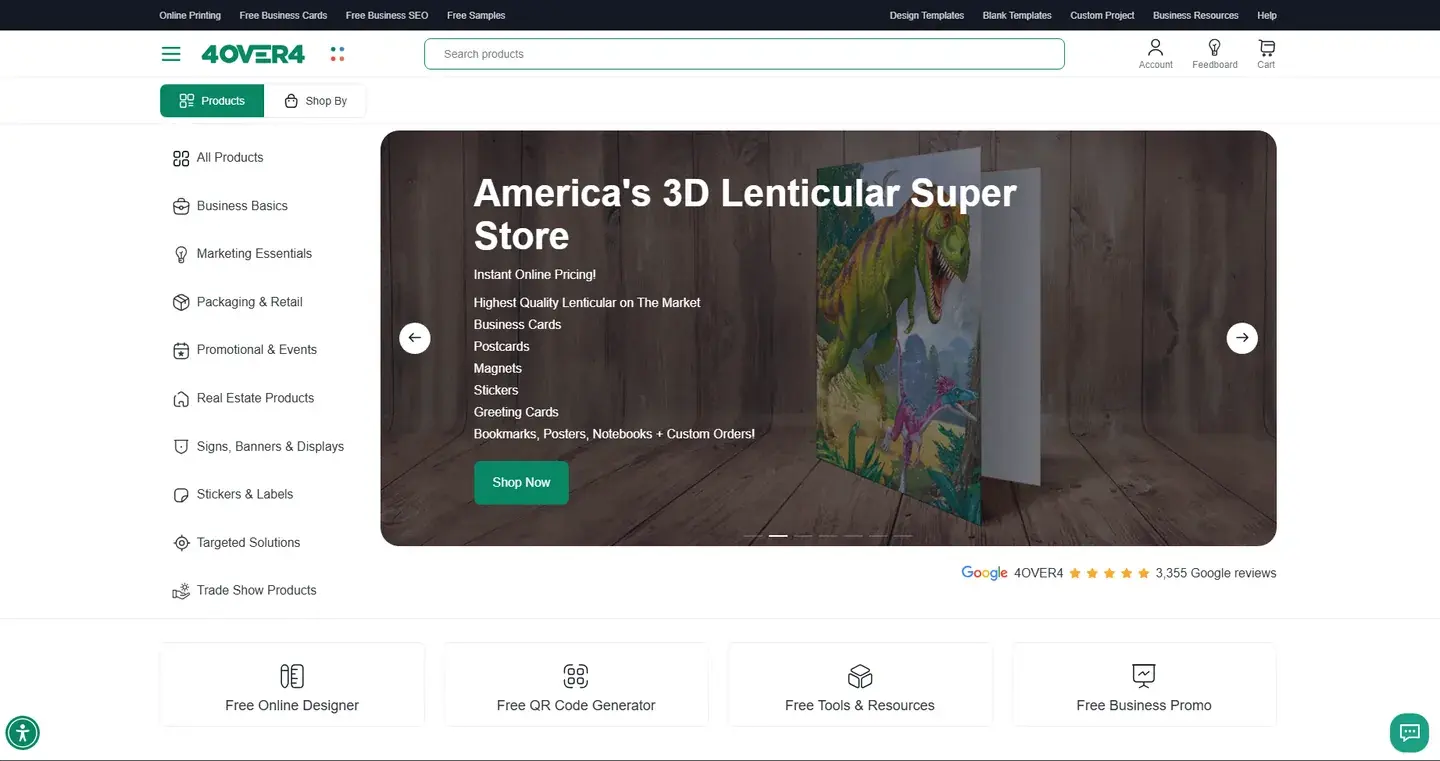
The same work also automated Adobe Illustrator (.ai) to SVG file conversion and added product recommendations for shoppers.
Keep Reading
Netbase delivered a retrieval-augmented generation (RAG) assistant remotely, combining AI consulting, engineering and integration.
Keep ReadingRelated services and solutions
 AI-enabled custom software development built around your workflow
Netbase provides custom software development for companies whose workflow no off-the-shelf product fits, from discovery through architecture, build, testing and handover, with AI where it removes manual steps and the IP left with you. Since 2012 Netbase has worked with 500+ businesses across 80 countries; according to the published USticker case study, design-tool users converted 40% more often.
Learn More
 AI-enabled digital transformation consulting that ends in a delivery plan
Netbase provides digital transformation consulting for mid-market companies that need a prioritized roadmap with a delivery path, not a deck. We rank every change by value and risk, including where AI removes manual work, and the same team builds it. According to CEO Huy Nguyen (David), Netbase has served 500+ businesses across 80 countries since 2012.
Learn More  SaaS product accelerator: launch an AI-ready SaaS on proven Netbase modules
A SaaS product accelerator is a set of reusable Netbase modules for accounts, billing, roles and integrations that helps founders and product teams launch subscription software faster, with room for in-product AI from the first release. Reusing these modules can shorten development time, and the approach is proven on Printcart, Netbase's own web-to-print SaaS.
Learn More Related insights

A large Vietnamese vendor brings scale, bench depth and formal process; a boutique or mid-size partner brings senior attention, speed and continuity on one account. Pick by project stage, governance load, continuity need and integration complexity, not by headcount or awards, and you avoid both an overbuilt process and a team that outgrows its vendor.

AI-native software development: what changes for the buyer in scope, speed, review and contract terms
AI-native software development changes the buyer's work more than the buyer's risk: scope must be written as testable acceptance criteria, speed rises in build and test but not in decisions, every AI-written change needs a named human reviewer, and the contract needs AI terms. Netbase delivers this way under human review, mostly on fixed-price milestones.

AI-augmented vs AI-native software companies: how to tell them apart in a proposal
An AI-augmented software company lets its developers use AI tools when they choose, while an AI-native company builds its whole delivery process around AI output that engineers review against written specifications and tests. You can tell them apart in a proposal by checking eight pieces of evidence; this Netbase checklist lists them and applies to every vendor.

What a software development consulting company does before anyone writes code
Before code, a software development consulting company should frame the problem, run discovery, record the architecture decisions, write scope with acceptance criteria and turn all of it into a milestone-based proposal. At Netbase JSC, most projects are then delivered on a fixed price, so each of these steps has to produce a document the buyer can check.
Work with Netbase remotely
Every Netbase engagement is delivered remotely, so clients in any country and any industry can work with us; Netbase has worked with clients in 80 countries. Contracts and invoices are issued by Netbase JSC, and payment is made by bank transfer to Netbase JSC's company account or PayPal Business. Talk to the CEO, Huy Nguyen (David), on WhatsApp or by email.
Discuss a project
Netbase JSC helps organizations design, build, modernize, and operate digital products and AI-enabled business systems.project@netbasejsc.com
+84 937 869 689
91 Nguyen Chi Thanh, Dong Da, Hanoi, Vietnam
Get in touch
Tell us what you want to build, modernize, or operate.