

E-learning platform requirements: content, assessment and integrations to define before a custom build
E-learning platform requirements for a custom build come down to three written decisions: how content is packaged and tracked, how learners are assessed and graded, and which systems exchange learner data with the platform. Netbase recommends naming an owner and a standard for each area before any builder is asked to quote.
Book a solution review See the related solutionBy Netbase Consulting and Transformation Desk · Reviewed by David (CEO) · Updated · 11 min read

This guide is for heads of learning, academy and course-business owners, edtech product owners and IT leads who have decided a custom learning platform is worth exploring and need a requirement set a builder can price. For the sector picture see education and e-learning; for what a finished platform contains see the e-learning and LMS platform solution; for how Netbase sequences an industry programme see the industry digital platform playbooks pillar and digital transformation consulting.
In this guide
- What must an e-learning platform requirement set cover before a builder can quote?
- Which content requirements need to be written down?
- Which content and tool standard do you need?
- Which assessment requirements decide the build?
- Which integrations and data rules must the platform handle?
- Writing the requirement set, step by step
- Where AI fits in an e-learning platform
- What delivery record exists, and what does not?
- Alternatives: hosted LMS, open-source LMS or custom build
- Limits of this guide
- Frequently asked questions
- Next step
What must an e-learning platform requirement set cover before a builder can quote?
Three areas decide most of the cost and rework in a custom learning platform: content, assessment and integrations. Screens are easy to change later; a content format, marking rule or data feed found after the build starts usually means rework in the data model.
-
Content
- The question it answers
- What do we teach with, in which formats, and what must be tracked per learner?
- Typical owner
- Head of learning or content lead
-
Assessment
- The question it answers
- How do we test, who marks, and what counts as a pass or a certificate?
- Typical owner
- Assessment or programme lead
-
Integrations
- The question it answers
- Which systems send learners in, and which receive results out?
- Typical owner
- IT or integration lead
-
Data and access
- The question it answers
- Who may see which learner record, in which region, for how long?
- Typical owner
- Data protection or security lead
In a small academy one person may hold several roles; what matters is a name per area, so a builder's scope question gets a quick answer.
Which content requirements need to be written down?
Start from the course library you already own, not from the features you want. List every format in use: video, documents, slide decks, packaged courses exported from authoring tools, live-class recordings and interactive exercises. For each format, write whether the new platform must play it, convert it or only link to it.
Then write what must be tracked. "Completed" is not a requirement; "completion, time spent, last position in a video and the score of each embedded quiz, kept on the learner record" is. Tracking detail decides the content standard, and the content standard decides how much of the existing library moves without rework.
Write the authoring rule too: who creates courses, in which tool, and who approves them. A built-in editor is a larger build than importing packages from your designers' tools.
Accessibility belongs in the content requirements, not in testing at the end. W3C's Web Content Accessibility Guidelines 2.2 set out recommendations for making web content more accessible; name the conformance level you need and apply it to the player, quizzes, forms and certificates.
Which content and tool standard do you need?
Each standard answers a different requirement; pick by requirement, not feature count.
| Standard | Requirement it answers | Require it when | Skip it when |
|---|---|---|---|
| Packaged-course import (older package formats) | Existing courses must run and report completion without being rebuilt | Your library holds packaged courses from authoring tools | All content is new video and documents |
| xAPI with a Learning Record Store | Learning outside a single course (simulations, mobile, live sessions) must be recorded as statements | You need a detailed record across many activities and apps | Completion and score per course are enough |
| cmi5 | New packaged courses must launch from the LMS and report through xAPI | You commission new packaged content and want one modern tracking route | You do not use packaged courses at all |
| LTI 1.3 | External tools must open inside a course without a second login and return grades | You plug in graders, labs or content libraries from other providers | Every tool is built into the platform |
Assessment content has its own standard: 1EdTech's Question and Test Interoperability specification makes items and tests portable between applications. Require it when question banks must move in from an old system or out to another one later; skip it when every question will be written inside the new platform and never leave it.
Which assessment requirements decide the build?
Write each of these as a decision, not a wish:
- Question types. Which types are needed at launch (single choice, multiple choice, short answer, essay, file upload, practical observation) and which can wait.
- Marking. Which items are marked automatically, which by a trainer with a rubric, and who reviews a disputed mark.
- Attempts and timing. Attempt limits, time limits, question randomisation from a bank, and what happens when a connection drops mid-exam.
- Pass rules and certificates. The pass mark per assessment, how a path is completed, whether a certificate expires, and who may reissue one.
- Integrity. Whether exams need identity checks or supervision, and which of those you buy as a separate tool rather than build.
- Gradebook and appeals. Who sees which scores, how a grade is changed, and the audit trail kept when it is.
The certificate rule is the one most often missed: if a certificate proves compliance training, its dates and audit trail are records the data model must keep from the first release.
Which integrations and data rules must the platform handle?
List every system on either side of the platform and, for each, the direction and the trigger. Typical inbound feeds are an HR or student system that creates learners and assigns courses by role, single sign-on, and a shop or payment provider that grants access. Typical outbound feeds are completions and certificates back to HR, scores to a student record system, and learning data to a reporting warehouse.
For tools that open inside a course, 1EdTech's Learning Tools Interoperability standard connects learning tools with a learning environment without a separate login for each tool; LTI 1.3 with its Advantage services adds grade return and deep linking of content. For a detailed record across many activities, the IEEE 9274.1.1-2023 standard defines a JSON data model and a RESTful web service for exchanging learner experience data with a Learning Record Store.
Write the data rules next to the integrations: where learner records are hosted, which region your rules require, how long scores and recordings are kept, and which fields any third party may receive. Rules for minors and student data differ by country; your advisers decide which apply. This is general information, not legal advice. The integration-gateway approach in real estate platform architecture and integrations applies here too: one documented interface per system, not a direct link from every screen.
Writing the requirement set, step by step
-
Inventory the library
List every content format, its volume class (a handful, dozens, hundreds) and whether it moves, converts or stays behind.
-
Write the tracking rule
Decide what each learner record must hold, then pick the content standard from the matrix above.
-
Write the assessment rules
Question types, marking, attempts, pass rules, certificate expiry and the appeal path, each with an owner.
-
Map the systems
One line per system: direction, trigger, data fields and the interface or standard it supports.
-
Set the data and access rules
Hosting region, retention, role-based access and the audit trail on grades and certificates.
-
Mark the first release
Split every requirement into "launch" and "later", so the first quote covers a platform learners can use, not every wish.
-
Review with every owner before sending the brief
A builder can price a named requirement; a requirement missed here is cheaper to add now than after a contract is signed.
Where AI fits in an e-learning platform
AI helps where it drafts and a trainer decides. Typical uses: draft questions from lesson content into the question bank for a trainer to edit, suggested feedback on written answers, course recommendations from a learner's role and history, and a study assistant that answers only from approved course material. Write each as a requirement with an approver: AI never issues a grade or a certificate on its own, and engineers test the assistant against questions it must refuse. Netbase works with the major commercial and open-source models, chosen per project; the model provider, hosting region and retention are agreed before learner data reaches a model.
- In delivered work
4over4 recommendation engine
Suggests products from browsing history and previous purchases on an online printing store, not a learning platform.
- In delivered work
RAG knowledge assistant
A retrieval-augmented assistant that answers from approved documents, the pattern behind a course study assistant; the client is not named.
- Available capability
Question drafts, feedback suggestions and course recommendations
NLP, machine learning and generative AI that Netbase offers; not yet tied to a published e-learning case.
What delivery record exists, and what does not?
No e-learning client, learner count, course figure or result is published by Netbase, and this guide claims none. Netbase designs, builds, integrates and runs software in every solution type large software market players offer, so a learning platform is in scope without a prior named case. The closest published evidence is Netbase's own software: CMSmart, Printcart, Cloodo, Poslor and Storelly are Netbase Business Divisions that Netbase builds and runs. The Cloodo workspace record and the Printcart portfolio record show multi-user SaaS platforms of that kind, not learning platforms. No published record documents a requirements engagement for a learning platform, so this guide makes no claim about how long one takes.
Alternatives: hosted LMS, open-source LMS or custom build
A custom build is not the default answer. Choose by how far your requirements differ from a standard product.
- Hosted LMS. Fits when the content is your differentiator, the rules are standard and the integrations are the common ones (single sign-on, HR feed). Do not build custom for this case.
- Open-source LMS, customised. Fits when most requirements are standard but a few rules, reports or integrations are your own, and you have a team to maintain the customisations through upgrades.
- Custom build. Fits when the platform is your product, when assessment or certificate rules cannot be expressed in a standard product, or when learning must sit inside another system you already run.
Write the requirement set first whichever route you expect. Most Netbase projects are delivered on fixed-price contracts agreed after the requirements are reviewed; milestone-based, monthly team retainer and KPI-linked terms are also offered. For the same requirement-first method in another sector, see healthcare workflow platform requirements.
Limits of this guide
- It structures a requirement set; it does not choose a product or a standard version for you.
- It is not legal advice; your advisers decide what applies.
- No duration, cost or outcome figure is claimed.
Plan the next step with a Netbase consultant
Frequently asked questions
It depends on what must be tracked. Require import of packaged courses if your library already holds them, and add xAPI with a Learning Record Store only when you need a record of learning outside a single course.
Build the question bank, marking and certificates into the platform when they define your programme. Buy specialist parts such as exam supervision as a separate tool connected through a standard.
AI can draft questions and suggest feedback, but a trainer should set grades and approve certificates. Write that approval step into the requirements.
When the content is the differentiator and the rules and integrations are standard. A hosted or open-source LMS is then faster to launch and cheaper to run.
Next step
Share your course library, your assessment rules and the systems around them, and we will review your requirement set before you brief a builder. Or see the e-learning and LMS platform solution and browse more insights.
Work behind this guide
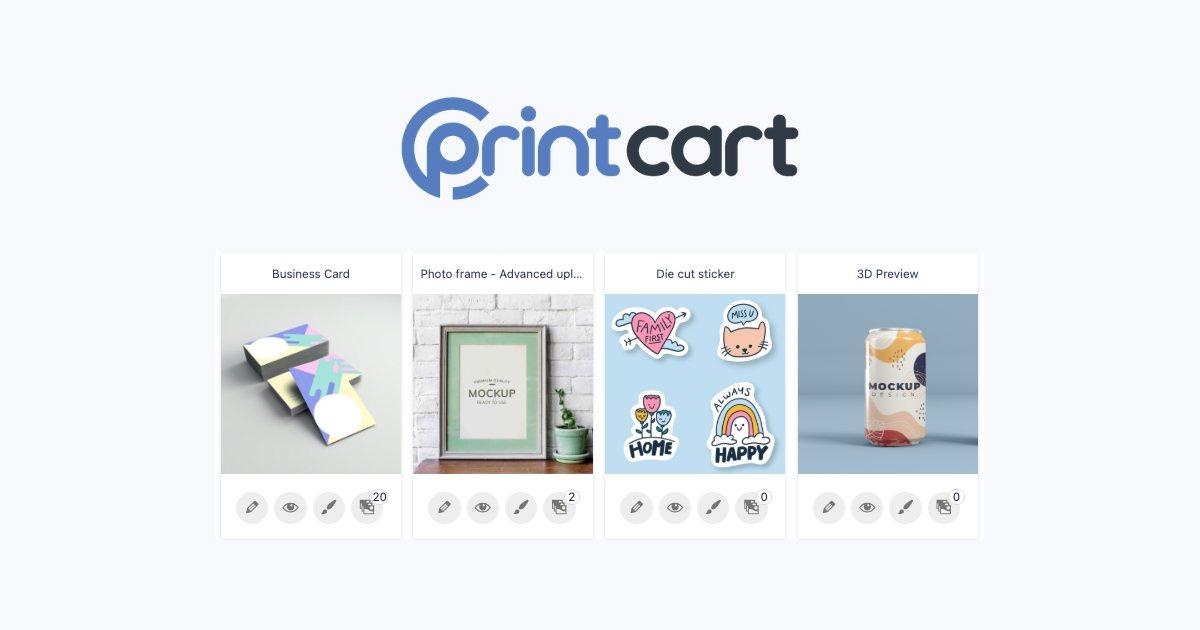
Netbase designs, engineers, hosts and operates the multi-tenant platform remotely, with apps for Shopify, Wix and WooCommerce and an API; no performance metric is claimed.
Keep Reading
Service companies needed profiles, service listings, projects, tasks and team collaboration in one cloud workspace beside CRM, HRM, Cloud ERP and AI modules.
Keep ReadingRelated services and solutions
 AI-enabled digital transformation consulting that ends in a delivery plan
Netbase provides digital transformation consulting for mid-market companies that need a prioritized roadmap with a delivery path, not a deck. We rank every change by value and risk, including where AI removes manual work, and the same team builds it. According to CEO Huy Nguyen (David), Netbase has served 500+ businesses across 80 countries since 2012.
Learn More
 AI-ready SaaS development from a team that runs its own SaaS
Netbase provides SaaS development for founders and product teams to launch and scale multi-tenant subscription software with AI features customers will pay for. We build and operate our own SaaS platforms, Printcart and the AI-powered Cloodo workplace, and bring that experience to client products. Discovery fixes the MVP scope and schedule.
Learn More  E-learning and LMS platform with AI: courses, live classes and assessments on one learner record
An e-learning and LMS platform from Netbase is software where learners enrol, study courses, join live virtual classes, take assessments and earn certificates, while trainers and administrators manage content, cohorts and reports. We design and build it custom, connect it to the HR and content tools you keep, and add AI that drafts while trainers decide.
Learn More Related insights

Run an industry playbook where the workflow is known and proof exists. For Netbase that means printing and packaging first, then retail and e-commerce: map the order-to-fulfilment flow, digitize the step that loses most orders, integrate the systems around it, then add AI where the data supports it. Real estate, manufacturing, healthcare, travel and events follow as proof matures.

Travel and hospitality booking platform modernization: encapsulate, replatform or replace without stopping bookings
A legacy travel or hotel booking system rarely gets a clean rebuild, because it keeps taking live reservations while you work on it. Encapsulate it behind stable APIs first, replatform or refactor the parts that block live inventory, AI search and direct booking, and replace only what cannot be salvaged, in an order that never stops a sale.

Healthcare workflow platform requirements: what to define before you scope, brief or send an RFP
Before a clinic or hospital scopes a workflow platform or sends an RFP, it needs a written requirement set in four categories: who the platform changes work for, what data must move in and out, which compliance rules apply, and which performance and access rules are non-negotiable, with a named owner for each before a vendor prices the work.

Real estate platform architecture and integrations: a reference map and a build order
A real estate platform's architecture is decided by its integrations, not its screens: MLS/IDX feeds, a CRM, payment and trust accounting, e-signature, and portal syndication. Connect a handful of them point to point; past that, route them through one gateway layer so no two systems talk directly, and build listings and lead capture before leases, commissions or AI.
Work with Netbase remotely
Every Netbase engagement is delivered remotely, so clients in any country and any industry can work with us; Netbase has worked with clients in 80 countries. Contracts and invoices are issued by Netbase JSC, and payment is made by bank transfer to Netbase JSC's company account or PayPal Business. Talk to the CEO, Huy Nguyen (David), on WhatsApp or by email.
Discuss a project
Netbase JSC helps organizations design, build, modernize, and operate digital products and AI-enabled business systems.project@netbasejsc.com
+84 937 869 689
91 Nguyen Chi Thanh, Dong Da, Hanoi, Vietnam
Get in touch
Tell us what you want to build, modernize, or operate.