

Software Development RFP for a Vietnam Outsourcing Partner: Scope, Criteria and a Template
A software development RFP for a Vietnam outsourcing partner works when it states the business outcome, the scope and its exclusions, the delivery model, the evidence each vendor must attach and the weighted criteria you will score. Netbase JSC suggests scoring evidence rather than claims, so the winning proposal can become the contract with few changes.
Book a solution review See the related solutionBy Netbase Delivery and Quality Desk · Reviewed by David (CEO) · Updated · 10 min read

This guide is for CEOs, CTOs, product owners and procurement leads who have a shortlist of two to five Vietnam vendors and need one document that makes their answers comparable. It sits under the Vietnam software outsourcing guide, which covers whether and how to outsource, and it prepares the ground for a dedicated development team or a fixed-scope project.
In this guide
- What should a software development RFP for a Vietnam partner include?
- How should you weight the evaluation criteria?
- How to write and run the RFP, step by step
- Where AI fits
- When is an RFP the wrong tool?
- What delivery record exists, and what does not
- Alternatives: which other way of choosing a partner fits your case?
- Limits of this guide
- Frequently asked questions
- Next step
What should a software development RFP for a Vietnam partner include?
Most published RFP guides agree on the core. A Code Ninety RFP template lists seven sections: company overview, project scope, technical requirements, timeline, commercial guidance, evaluation criteria and submission instructions. It calls the evaluation criteria the highest-leverage section.
An offshore engagement needs five more parts that a domestic RFP often leaves implicit: how the team works across time zones, who owns the code and when, how acceptance works per milestone, how data is protected, and what happens at handover or exit. A Saigon Technology RFP guide makes the same point from the vendor side: a structured template makes every vendor answer the same questions in a similar format.
The template below combines both into twelve parts, each naming what you write and what the vendor must return.
-
Context and outcome
The business problem, the users and the result you need
- The vendor returns
- A restatement in their own words and the first questions they would ask
-
Scope and exclusions
Must-have features, known integrations and an explicit out-of-scope list
- The vendor returns
- Assumptions, risks and items they would move out of the first release
-
Current environment
Systems, data, hosting and the code you already own
- The vendor returns
- What they need access to and what they would assess first
-
Non-functional requirements
Performance, security, availability and accessibility needs
- The vendor returns
- How each is tested and accepted
-
Delivery model
Fixed scope, dedicated team or a phased mix, and why
- The vendor returns
- Their recommended model for your case, with the trade-off stated
-
Team and roles
The roles you expect to meet
- The vendor returns
- Named roles, seniority and who you meet before kickoff
-
Working rhythm
Your hours, review cadence and tools
- The vendor returns
- Overlap hours, reporting format and escalation path
-
Milestones and acceptance
Your target milestones
- The vendor returns
- Acceptance criteria per milestone and a sample acceptance document
-
IP, data and security
Ownership terms and the data the team will see
- The vendor returns
- IP assignment wording, data handling and security evidence
-
Handover and exit
What you need at the end or on termination
- The vendor returns
- Handover checklist: source, environments, documentation, credentials
-
Commercial frame
The contract type and payment basis you can approve
- The vendor returns
- A breakdown by phase linked to milestones, plus change-request handling
-
Submission and scoring
Deadline, format, page limit and the weighted criteria
- The vendor returns
- A response in your format, one section per part
For non-functional requirements, two public references keep the wording concrete. The ISO/IEC 25010 product quality model lists characteristics such as functional suitability, performance efficiency and compatibility that you can turn into acceptance tests. The OWASP Application Security Verification Standard is designed, among other uses, as a basis for specifying security verification requirements in contracts.
How should you weight the evaluation criteria?
Publish the weights in the RFP. The matrix below is a starting point for a custom build with an offshore team; adjust the weights, but keep them visible and keep the list short.
| Criterion | Weight | What earns a high score | What scores low |
|---|---|---|---|
| Understanding of the problem and scope | 25% | A restated outcome, a written assumptions list and items moved out of the first release | A feature list copied back with no questions |
| Delivery approach and acceptance | 20% | Milestones with acceptance criteria and a sample acceptance document | "Agile" with no definition of done |
| Team and continuity | 15% | Named roles you can meet, a replacement rule and a stated escalation path | A team "assembled after signing" |
| Relevant evidence | 15% | A running build, a case record or a reference you can contact for similar work | Logos and adjectives only |
| Security, IP and data handling | 15% | IP assignment wording, repository access from day one and attached security evidence | "We follow best practices" |
| Commercial terms | 10% | Payments tied to accepted milestones and a clear change-request process | A single lump sum with no breakdown |
Score commercial terms last, after the scope answers are comparable. Proposals that assume different scopes cannot be compared on cost. Keep the list to about six criteria; more criteria make scoring slower without making the decision better.
How to write and run the RFP, step by step
-
Write the outcome first
One paragraph on the business result and the users. If you cannot write it, run a paid discovery before the RFP.
-
List the exclusions
An out-of-scope list prevents more disputes than a longer feature list.
-
Choose the delivery model you will accept
Read dedicated team vs fixed price and say which model you prefer, or ask vendors to recommend one with the trade-off stated.
-
Fix the response format
One section per template part, a page limit and the weighted criteria.
-
Hold one clarification round for all vendors
Share every question and answer with every vendor, so no one bids on private information.
-
Score independently, then compare
Two or three people score alone against the published weights, then reconcile the differences.
-
Check the evidence of the top two
Meet the named roles, ask for the sample acceptance document and follow the steps in how to verify a software development company's claims.
-
Read the winning proposal for scope wording before signing
The guide to spotting scope-creep risk in a proposal checks the clauses line by line.
Where AI fits
AI is useful on both sides of an RFP, and in both cases a person still decides. On the buyer's side, an AI assistant can check the draft RFP for missing exclusions, compare each proposal against the twelve parts and list unanswered questions; the scoring team still reads the answers and decides what counts as evidence. On the vendor's side, ask how AI is used in delivery, who reviews its output and what happens to your code and data. Netbase works with the major commercial and open-source AI tools and models, chosen per project, under human review.
The delivered AI feature named with a client is 4over4's recommendation engine, which suggests products from browsing history and previous purchases. Beyond it, Netbase has delivered AI projects for clients that are not named, including retrieval-augmented knowledge assistants, document AI and MLOps pipelines.
- In delivered work
RAG knowledge assistant
A retrieval-augmented knowledge assistant delivered for a client that is not named.
- In delivered work
4over4 recommendation engine
Product suggestions from browsing history and previous purchases.
When is an RFP the wrong tool?
An RFP costs your team and every vendor real effort. Do not run one when the scope is still unclear: vendors will guess, and the answers will not be comparable. A short brief followed by a paid discovery phase gives you a scope worth bidding on. Do not run a full RFP for a small, well-defined package either; a short brief with a fixed response format is enough.
Leave three things out of any RFP. Do not ask for a full architecture or a working prototype for free. Do not demand a binding fixed figure before the vendor has seen the code or data it must work with. Do not add criteria you will not score.
What delivery record exists, and what does not
Consulting, solutions, custom development and AI-enabled transformation are Netbase's lead offers, with dedicated teams and outsourcing as secondary delivery options. Most Netbase projects are delivered on fixed-price contracts; milestone-based, monthly team retainer and KPI-linked models are also offered, so an RFP that names its preferred model gets a direct answer.
Delivery follows a six-step lifecycle: discovery and strategic alignment, team assembly and architecture planning, agile execution with outcome-based milestones, modular and productized components, training and rollout, then ongoing support. The project workflow runs investigation, planning with estimation and delivery milestones, coding and testing, then delivery of source code and project assets. Progress is tracked in Jira, Redmine, Trello or GitHub, and clients can follow milestones and tasks in a shared Cloodo workspace. Netbase also runs, maintains and upgrades what it builds under an agreed support scope.
Netbase holds ISO 27001 certification and a SOC 2 Type II attestation for its own operations, which answers part 9 of the template with evidence rather than a promise. Netbase also works as offshore development partner on a multi-tenant cloud ERP for a US client that is not named.
What does not exist: Netbase publishes no count of RFPs it has answered, no win rate and no typical response time. This guide claims none of them, and the weights in the matrix are a suggested starting point, not market data.
Alternatives: which other way of choosing a partner fits your case?
Choose the method by how clear the scope is and how many vendors you need to compare.
| Method | Best for | Limit | Choose it when |
|---|---|---|---|
| Full RFP with weighted criteria | Three to five vendors, a defined scope, formal procurement rules | Slow; favours good proposal writers | Your rules require equal treatment of bidders |
| Short brief plus paid discovery | An unclear scope or new technology | One vendor learns your problem first | You need a scope before anyone can bid |
| Structured bake-off of two proposals | Two finalists with similar scores | Needs time from your senior people | The decision is close and the contract is long |
| First call with a decision-maker | Testing judgement and trade-offs early | One conversation, not evidence | You want to know who answers for the result |
For the last method, see the guide to a CEO-led first call. Once proposals arrive, the red flags in proposals, contracts and demos show which answers should stop a signature, and custom software development describes the fixed-scope route.
Limits of this guide
- It covers the RFP document and its scoring; it is not legal or procurement advice and does not replace a lawyer's review of the contract.
- Other companies are cited neutrally from their own published guides, accessed 2026-11-23, and are not ranked here.
Plan the next step with a Netbase consultant
Frequently asked questions
It should include the business outcome, the scope with an explicit out-of-scope list, the current environment, non-functional requirements, the delivery model, roles, milestones with acceptance criteria, IP and data terms, handover, the commercial frame and the weighted evaluation criteria.
Two to five is a practical range. More makes careful scoring hard and discourages strong vendors.
Yes. Published weights produce answers aimed at what you value, and they make your own scoring easier to defend inside your company.
Usually not. A short brief with a fixed response format, sent to two or three vendors, gives comparable answers for a small, well-defined package with far less effort on both sides.
Next step
Send your draft RFP or a one-page brief, and the reply will come from someone who can decide on scope and model: book a solution review.
Work behind this guide
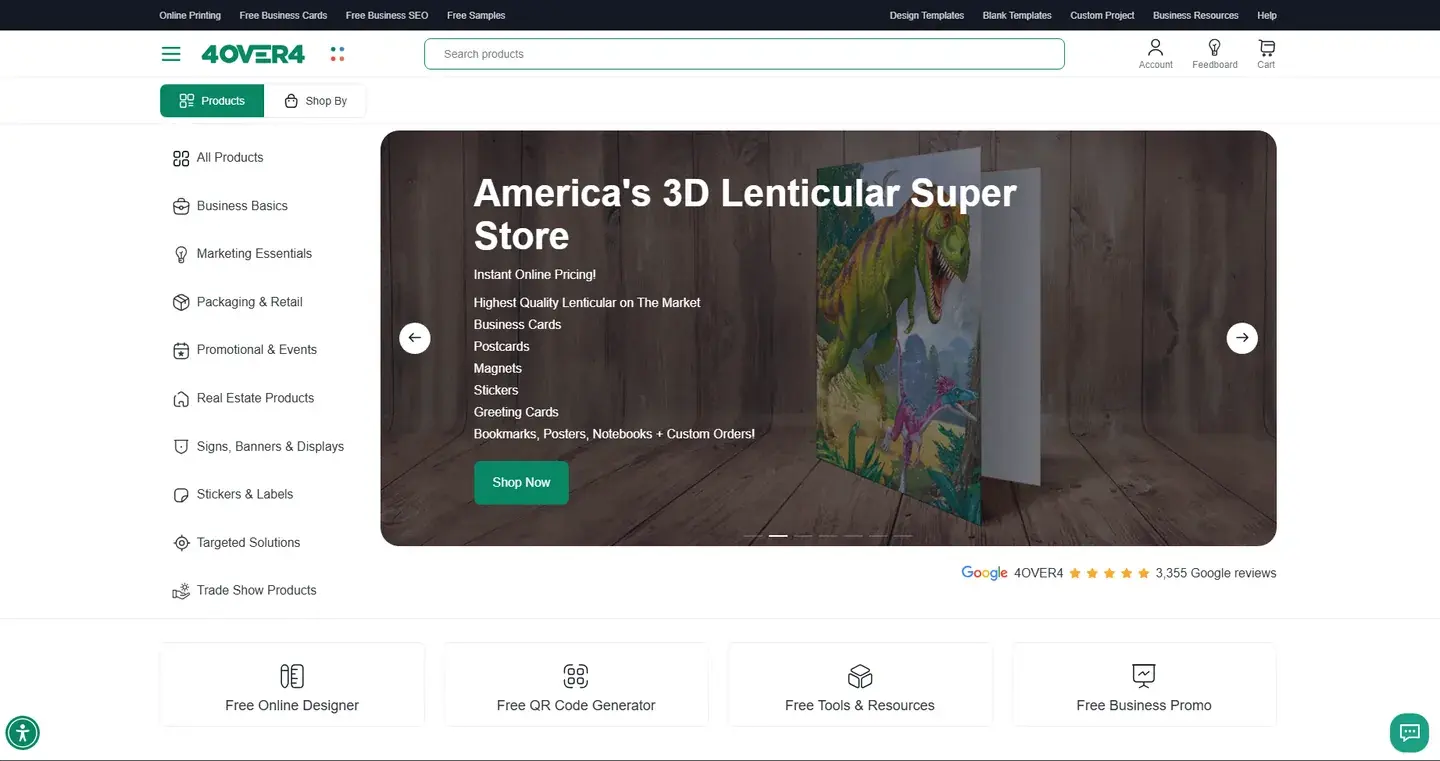
4over4, a US online printing store, reported 82% higher e-commerce revenue within six months after Netbase JSC remotely reworked its checkout, search and navigation.
Keep Reading
A US software company, not named, sells a multi-tenant cloud ERP as SaaS to small and mid-sized businesses.
Keep ReadingRelated services and solutions
 An AI-augmented dedicated development team in Vietnam that answers for results
Netbase provides dedicated development teams from Vietnam for product companies and enterprises that need engineering capacity. Teams of 3 to 30 people work only on your product, use AI-assisted engineering under review, report to a named account manager and project manager, typically start within one to two weeks after discovery, and the IP they create is yours.
Learn More
 AI-enabled custom software development built around your workflow
Netbase provides custom software development for companies whose workflow no off-the-shelf product fits, from discovery through architecture, build, testing and handover, with AI where it removes manual steps and the IP left with you. Since 2012 Netbase has worked with 500+ businesses across 80 countries; according to the published USticker case study, design-tool users converted 40% more often.
Learn More  SaaS product accelerator: launch an AI-ready SaaS on proven Netbase modules
A SaaS product accelerator is a set of reusable Netbase modules for accounts, billing, roles and integrations that helps founders and product teams launch subscription software faster, with room for in-product AI from the first release. Reusing these modules can shorten development time, and the approach is proven on Printcart, Netbase's own web-to-print SaaS.
Learn More Related insights

Outsourcing software development to Vietnam works when you buy a governed team, not hours. Price the cost drivers (seniority, team size, overlap and duration), write IP ownership into the contract, agree an overlap window and one English-speaking owner, check how the team uses AI under human review, and pick the team model that matches how settled your scope is.

Dedicated team vs fixed price: choosing a software contract when AI assists delivery
Choose fixed price when the scope is small, stable and specified well enough to test; the supplier carries cost risk and changes become contract variations. Choose a dedicated team when the scope will evolve: you control priorities and carry cost risk, so governance matters. AI-assisted engineering speeds up specifications, which favours fixed price after discovery.

The AI-first offshore development center: how the model works
An AI-first offshore development center is a long-term, dedicated engineering team run by a partner abroad that builds AI assistance into how software is written, tested and documented, under your governance. It suits companies with a multi-year roadmap that want capacity and AI-era practices without building a captive centre themselves.

Protecting IP when outsourcing software development: contracts, access and EU data rules
To protect IP when outsourcing software development, put ownership in writing before work starts: custom code and designs are assigned to you, the vendor's reusable modules are licensed, and open-source components are listed. Then keep repositories and cloud accounts in your name, sign NDAs, and cover personal data with a GDPR processing agreement.
Work with Netbase remotely
Every Netbase engagement is delivered remotely, so clients in any country and any industry can work with us; Netbase has worked with clients in 80 countries. Contracts and invoices are issued by Netbase JSC, and payment is made by bank transfer to Netbase JSC's company account or PayPal Business. Talk to the CEO, Huy Nguyen (David), on WhatsApp or by email.
Discuss a project
Netbase JSC helps organizations design, build, modernize, and operate digital products and AI-enabled business systems.project@netbasejsc.com
+84 937 869 689
91 Nguyen Chi Thanh, Dong Da, Hanoi, Vietnam
Get in touch
Tell us what you want to build, modernize, or operate.