

AI strategy and readiness: from a list of ideas to a governed roadmap
Netbase provides AI strategy consulting for leadership teams that need to decide where AI is worth the effort. We assess readiness across four areas (use cases, data, risk and value), rank the candidates and deliver a governed AI roadmap with first pilots, owners and measures. AI strategy is a capability we are growing, not a record of many past programmes.
Book a solution review View relevant workReviewed by David (CEO) · Updated 17 Sep 2026

Have a long list of AI ideas and no clear first step? Book a solution review.
What AI strategy and readiness includes
Most companies do not lack AI ideas. They lack a way to choose between them, see what their data supports and know each one's risk before spending. An AI strategy engagement answers those questions for your business and ends with a plan that engineering, finance and legal can all read. It belongs to our AI & Data family, and it is often the first step before a build.
Included
- Use-case discovery with the teams that own the work
- Data availability and quality review per use case
- Risk and regulatory screening of each use case
- Value and effort scoring against a baseline
- Governance model: owners, review steps and policies
- A roadmap with pilots, measures and decision gates
Not included
- A generic AI trend report
- Buying licences or tools on your behalf
- Legal opinions on AI regulation
- Guaranteed savings or headcount figures
- Staff-wide AI training with no use case in scope
If you want to score your organisation on your own first, our enterprise AI readiness assessment framework explains the dimensions we use.

When to use it, and when another route fits
An AI strategy pays off when several teams want AI and nobody can yet say which idea should go first.
Good fit
- Many AI ideas across departments, no agreed order
- Leaders need a budget case before approving AI spend
- Data sits in several systems of uneven quality
- Customers or regulators will ask how AI is governed
Another route fits better
- One clear workflow is already chosen: go straight to a pilot
- You only need a tool recommendation for a single team
- There is no executive sponsor for the decisions
- The question is purely legal: take legal advice first
When the first candidate is order handling behind a store, rule-based commerce operations automation is often the cheaper starting point. Every other route is listed in the services directory.
Outcomes and buyer jobs
Leadership teams hire AI strategy consulting to:
Each use case is scored on value, data readiness, risk and effort.
The roadmap names the data work each use case needs before any model is built.
Use cases are screened for personal data, customer impact and regulatory exposure.
Each pilot has a baseline, a success measure and a stop-or-scale decision.
Owners, review steps and an acceptable-use policy are agreed up front.
Capability modules and deliverables
A long list of candidates gathered in workshops with process owners
Where the data for each use case lives, its quality and its access rules
Personal data, customer-facing impact and regulatory category per use case
Baseline measures, expected benefit range and build effort per use case
Decision owners, human review points and an AI acceptable-use policy draft
Ranked pilots, dependencies, decision gates and a first-phase scope
Delivery process, team and governance
AI strategy work follows our six-step delivery lifecycle:
-
Discovery and strategic alignment
We agree the business goals, interview process owners and collect the candidate use cases.
-
Team assembly and architecture planning
A business analyst and a solution architect map the data and systems behind each candidate.
-
Agile execution with outcome-based milestones
Scoring, risk screening and the roadmap are reviewed with you at each milestone.
-
Modular and productized components
Where a reusable module or an existing platform fits a use case, the roadmap says so.
-
Training, rollout and optimization
Leaders and process owners walk through the roadmap and the governance model.
-
Ongoing support and co-building
The first pilot can move straight into a build with the same team.
A strategy engagement needs a small team and typically starts one to two weeks after discovery. Workshops run remote-first in English, with weekly reviews, KPI dashboards and a named account and project manager, and the roadmap is lean: each pilot tests one assumption before more budget follows. Security practices apply from the first workshop: role-based access control, TLS in transit and AES at rest, NDAs and DPAs on request. Where personal data is involved, we follow GDPR alignment, HIPAA-aligned methods and CCPA practices.
We use the NIST AI Risk Management Framework (AI RMF 1.0, January 2023) as a neutral structure for governance: its four functions, Govern, Map, Measure and Manage, map directly to the roadmap's owners, use-case context, measures and controls.
AI in this service
AI strategy work changes how a company decides, and AI also supports the analysis itself. We use AI-assisted tools to summarise interview notes, cluster use cases and draft first versions of policies; a consultant reviews every output before it reaches you. Each proposed use case records where AI would act, where a person must review, and which data it needs. Netbase applies the ISO/IEC 42001 AI management system framework to its own AI delivery practice.
-
In delivered work
Recommendation engine
Delivered for 4over4's online printing store; the reference for how an AI feature was scoped inside a commerce project.
-
In delivered work
RAG knowledge assistant
A use case of the kind a roadmap often ranks first; the client is not named.
-
In delivered work
MLOps pipeline
The release and monitoring controls a roadmap's governance model calls for; the client is not named.
-
Available capability
AI strategy and readiness assessment
A consulting capability we are growing; not yet tied to a published strategy engagement.
Engagement models and commercial variables
Most Netbase projects are delivered on fixed-price contracts agreed after discovery, and a scoped strategy engagement fits that model well. Milestone-based, monthly team retainer and KPI-linked terms are also offered, and consulting-led work is Netbase's lead offer; a dedicated team is a secondary option once a long build programme is agreed. We do not publish rate cards.
What moves effort and cost: the number of business units and use cases, how many systems hold the relevant data, whether personal or regulated data is involved, and how quickly process owners are available for workshops.
Technology as an implementation choice
A roadmap should not lock you into one vendor. Netbase is model-agnostic: we work with models from OpenAI, Anthropic (Claude), Google (Gemini) and Meta (Llama), among other commercial and open-weight models, and choose them per project for data residency, cost, latency and quality. The components we compare, labelled by maturity, are on our data and AI stack page.
Industry applications
Retail and e-commerce. Product search, recommendations, customer service replies and order exceptions are the usual candidates. The roadmap separates what rules can already handle from what needs a model.
Printing and packaging. Artwork checks, file preparation and quote requests follow repeatable patterns, which makes them natural candidates to score first.
 Retail and ecommerce: AI-enabled storefronts, marketplaces and order operations
Netbase helps retailers and online merchants modernize storefronts, marketplaces and order operations, and adds AI where it pays: search, recommendations, catalog enrichment and order exceptions, with your team approving what shoppers see. Results are published: Geo-Tek IT Solutions grew revenue 36% in the first quarter after its new ecommerce platform launched, and an EU fashion marketplace grew GMV 47%.
Learn More
Proof: delivered AI and the platforms behind it
Evidence maturity: AI strategy and readiness is a growth capability. No stand-alone strategy engagement is published yet. The records below show delivered AI inside a project and the platform data a roadmap builds on; anonymised AI records are listed above.
Delivered AI: 4over4 (online printing, United States). Netbase built a recommendation engine based on browsing and purchase history inside a wider store project. Read the 4over4 case.
Platform proof: Printcart (Netbase Business Division). A web-to-print and print-on-demand platform that turns online orders into print-ready files and routed fulfilment. It is rule-based software, not AI, and it shows the order and file data an AI use case would rely on. See the Printcart record.
More projects are in our work.
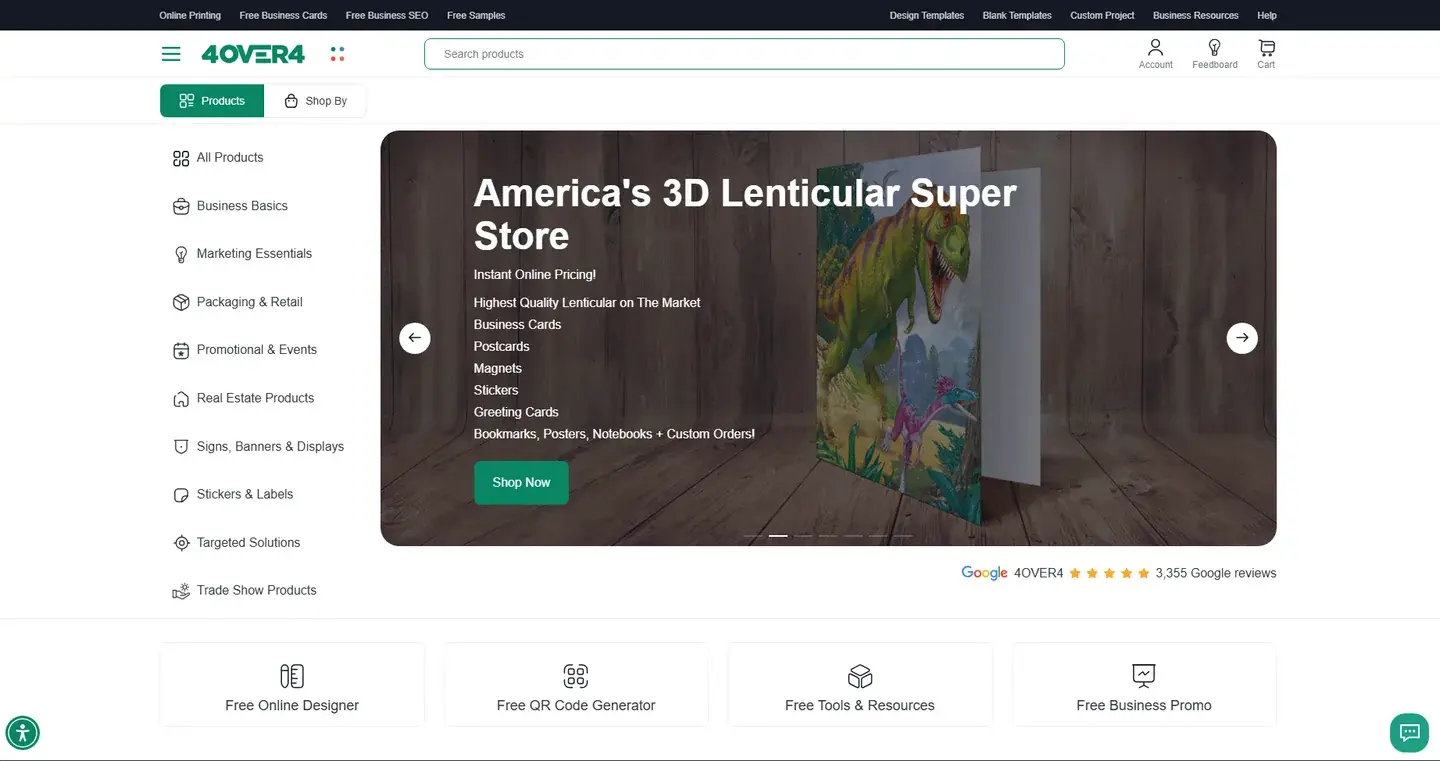
Netbase JSC reworked checkout, search and navigation, automated Adobe Illustrator (.ai) to SVG file conversion and added recommendations.
Keep Reading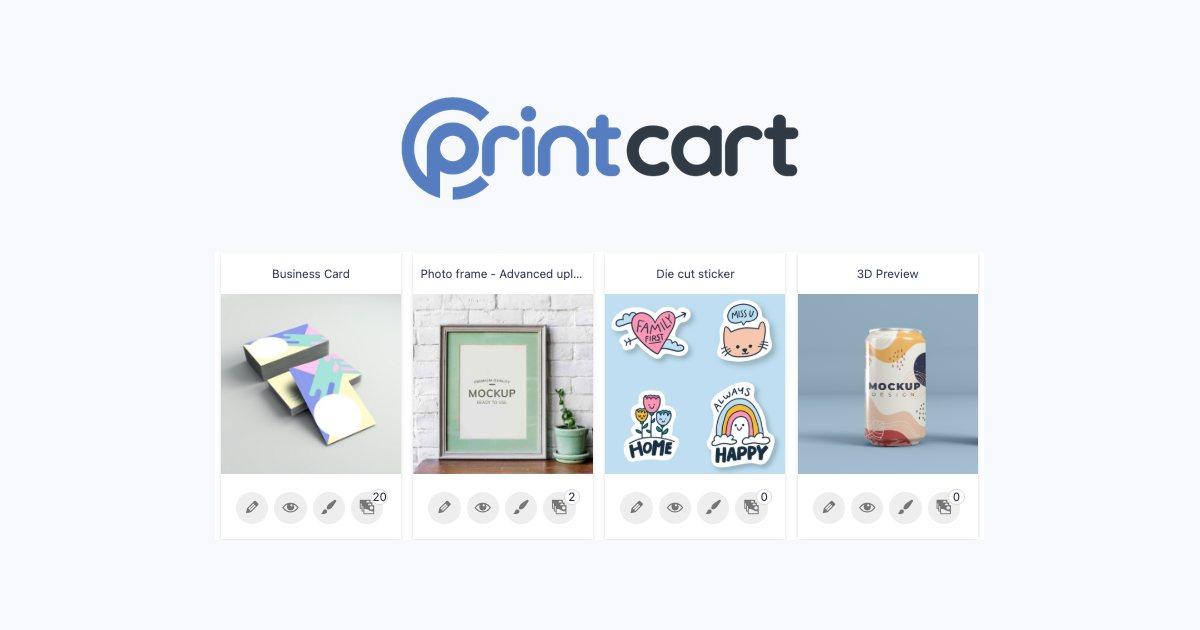
Netbase designed, engineered and operates the multi-tenant platform: an online design studio, automatic print-ready files, print order management, and store apps plus an API that plug into any storefront.
Keep Reading
This anonymous portfolio record describes only the kind of AI system and what Netbase did; it publishes no client name, logo, location, dates, model choice, figures or results.
Keep ReadingBuyer FAQ
It depends on the number of business units and use cases. Scope, workshops and dates are agreed in discovery before work starts.
No. Mapping which data exists, and how good it is, is part of the assessment.
It recommends options per use case with their trade-offs. Netbase is model-agnostic and has no vendor partnership to favour.
If you place AI systems on the EU market or use them in the EU, possibly. We screen each use case against the Act's risk categories and flag where legal advice is needed.
Yes. Pilots can move into a fixed-price build or a full AI transformation programme, or your team takes the roadmap.
Starting with the most exciting idea instead of the one your data can support. Scoring readiness first avoids that.
Related solutions
 AI-assisted ecommerce operations automation: from paid order to delivered parcel
Ecommerce operations automation removes the manual order, production and fulfilment steps behind a storefront: routing, file preparation, status updates and back-office sync, with AI flagging risky orders and triaging exceptions. It suits merchants and online printers whose order volume has outgrown their staff. In delivered work, 4over4 cut design-file production time 40% and Geo-Tek cut order processing time 30%.
Learn More
Service owner and next step
This service is owned by David, Netbase's Chairman, founder and CEO, and maintained by the Netbase Editorial Team. Want a ranked, governed AI roadmap instead of a list of ideas? Book a solution review, or view relevant work first.
Discuss a project
Netbase JSC helps organizations design, build, modernize, and operate digital products and AI-enabled business systems.+84 937 869 689
91 Nguyen Chi Thanh, Dong Da, Hanoi, Vietnam
Get in touch
Tell us what you want to build, modernize, or operate.