

Software development for startups: AI-native MVPs built lean, without architecture debt
For founders who need to launch without architecture debt, Netbase pairs senior discovery with a product squad that grows with the product, and tests an AI feature with real users before it scales. A typical SaaS MVP takes 8–12 weeks, reusing productized modules can cut development time by up to 60%, and your code is yours.
Plan my MVP Compare engagement modelsReviewed by David (CEO) · Updated 17 Sep 2026

Have an idea, a deadline or a prototype that is starting to creak? Plan my MVP with us.

This is for you if, and when another route fits
Startups and scale-ups, on this page, are teams where the founders still decide most things, the product is new or only recently live, and the architecture chosen now will carry the next few years of growth.
This is for you if…
- You need a first release real customers can pay for, not a demo
- There is no CTO yet, or a CTO without a team
- The product is subscription software that many customers will share
- A prototype works but will not survive more users
Another route fits if…
- You only want to test demand; a no-code prototype may be enough for now
- You run an established business modernizing existing systems (the mid-market route)
- You need a governed delivery organization for many business units (the global enterprises route)
- You resell builds to your own clients (the agencies and technology partners route)
Every route is laid out on the client types overview.
Buying triggers and constraints
Founders usually call at one of these moments:
A funding round, pilot customer or launch date is fixed.
The technical co-founder or first freelancer leaves with the context.
The prototype breaks as the first real users arrive.
The pitch includes an AI feature nobody has tested with users or costed.
What limits the plan:
-
Runway
A fixed price paid by milestone, so each payment buys a working release
-
Requirements still move
Discovery first, then short milestones that leave room to learn
-
No in-house QA or DevOps
QA and UI/UX sit inside the squad from the start
-
Investors ask about ownership
Custom IP belongs to you; licensed modules are named up front
Recommended paths by job
Product discovery and roadmapping
A ranked backlog, a release plan and the architecture choices written down
Product discovery and roadmappingSaaS development
Multi-tenant subscription software, built by a team that runs its own SaaS
SaaS developmentSaaS product accelerator
Reusable modules for accounts, billing, roles and integrations
SaaS product acceleratorA dedicated development team
The same people stay on the product as it scales
Fractional CTO and CIO
Technology and AI decisions, hiring and board reporting for 3 to 12 months
Fractional CTO and CIOTypical timelines: a SaaS MVP takes 8–12 weeks, a mid-tier product 3–6 months. Scope, integrations and how fast you review releases move these ranges.
AI-native MVPs, validated lean
Build AI-native when AI is the product's core job; otherwise add it after launch. Either way, test one AI feature with real users before scaling it, keep the model behind your own API so it can be swapped, and set a model cost per user so bills grow slower than revenue. Each item states how mature it is at Netbase.
-
In delivered work
Product recommendation engine
Built for 4over4 from browsing and purchase history.
-
Available capability
AI assistants, predictions and generative features in an MVP
Machine learning, NLP, computer vision and generative AI; beyond the 4over4 features they are not yet tied to a published case.
Engagement models by stage
-
Discovery and MVP
- Engagement model
- Project-based development
- Commercial frame
- Fixed price after discovery, paid by milestone
-
After launch
- Engagement model
- Dedicated development team
- Commercial frame
- Monthly team retainer
-
Growth with clear product metrics
- Engagement model
- Dedicated team or fully managed delivery
- Commercial frame
- KPI-linked, where success is measured in agreed numbers
-
Stable product, occasional change
- Engagement model
- On-demand support
- Commercial frame
- Agreed per engagement
Most Netbase projects are delivered on fixed-price contracts agreed after discovery. A squad starts small and grows, from 3 to 30 people. Delivery is build-measure-learn: agile milestones end in a release users can try, reviewed weekly with a remote team in Hanoi that works in English. Compare every option on engagement models.
Risk controls
Multi-tenancy, data model and integration choices are settled in discovery and recorded
You own the IP created for you; Netbase modules are licensed one-time or as SaaS, never silently embedded
Licensed modules are listed before the build, and AI models sit behind your own API so providers can change
Milestones end in working software you can show, not in status reports
Code, decisions and runbooks are documented, so the product outlives any one developer
Proof we can show today
We do not yet publish a startup case study. These two records show the pieces a startup buys from us.
Printcart. Netbase's own web-to-print and print-on-demand platform turns online orders into print-ready files and routed fulfillment, and runs on a merchant's own store or as Shopify, Wix and WooCommerce apps. It is the multi-tenant SaaS we design, ship and operate ourselves. See the Printcart record.
USticker. For USticker, Netbase upgraded the online design tool and the payment flow. Customers who used the design tool converted 40% more often, and completed designs rose 32% in six months. See the USticker record.
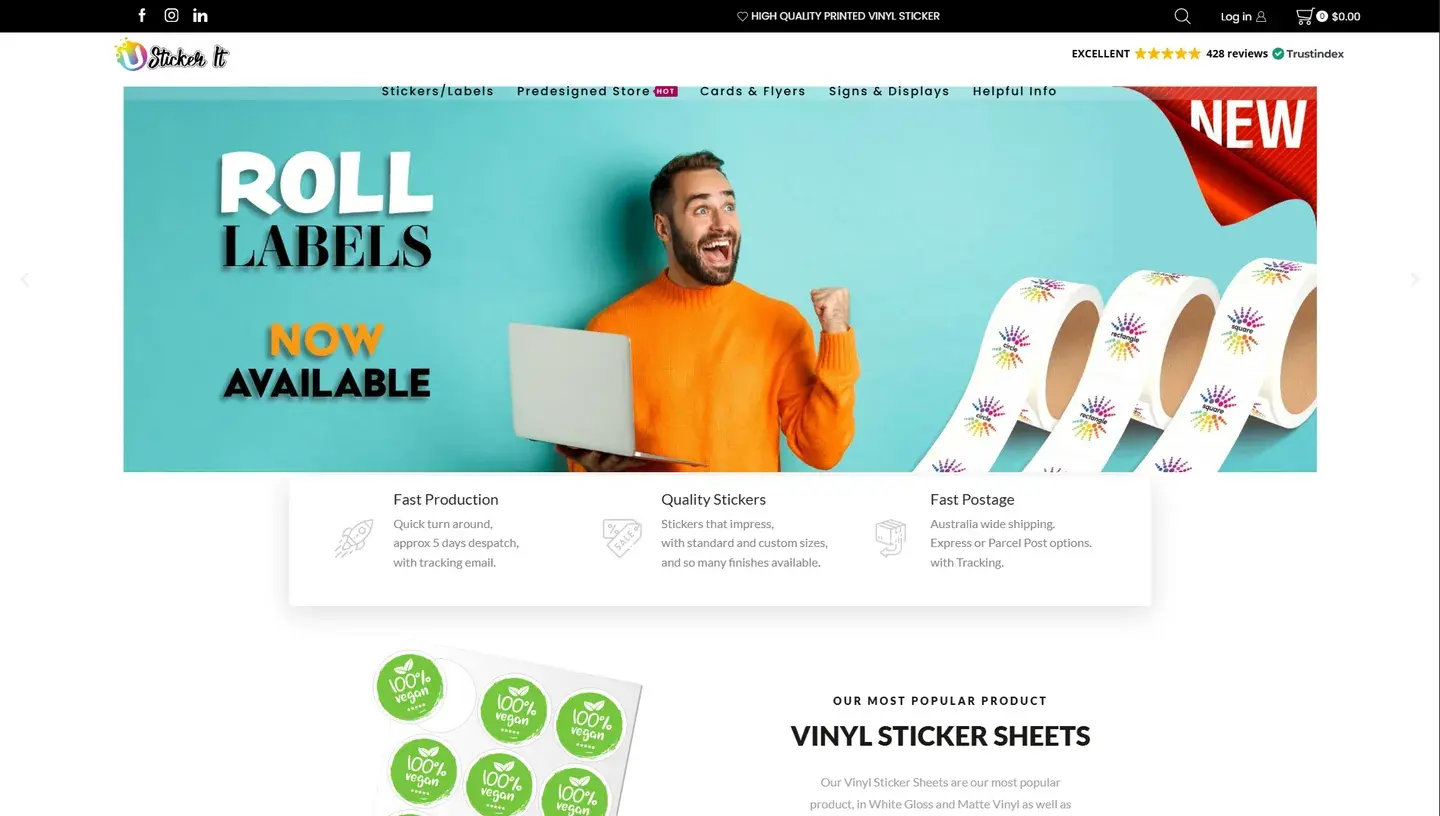
Netbase JSC built the feature and integrated a secure payment gateway.
Keep Reading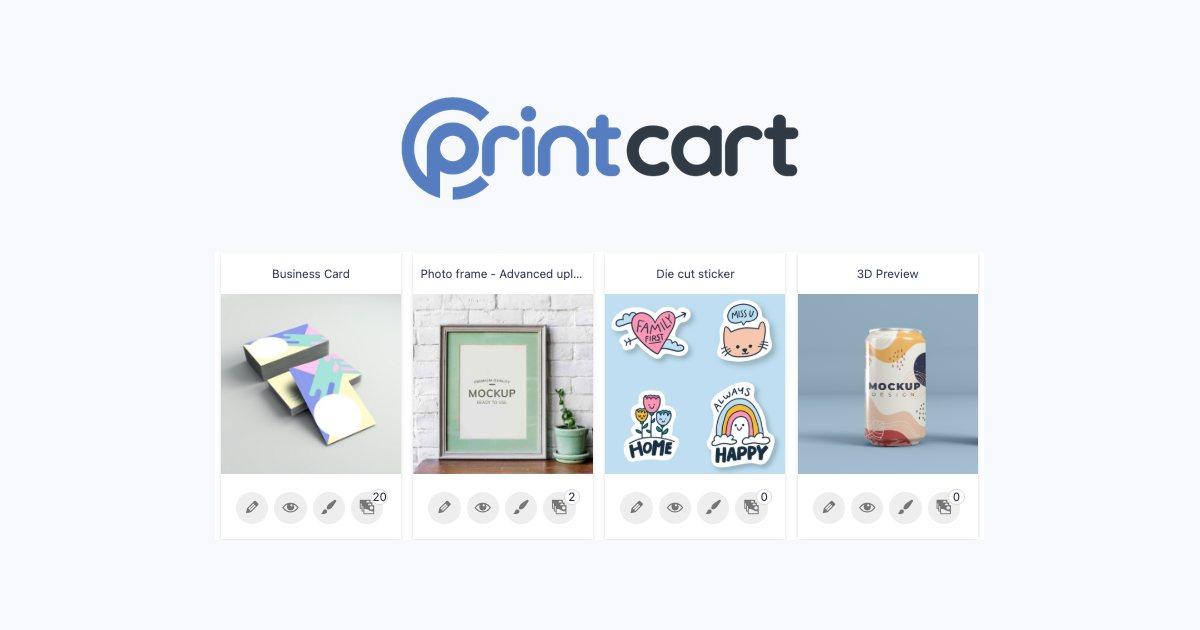
Netbase designed, engineered and operates the multi-tenant platform: an online design studio, automatic print-ready files, print order management, and store apps plus an API that plug into any storefront.
Keep ReadingPlan the next step with a Netbase consultant
Founder FAQ
No. Discovery turns your goals, users and constraints into a first-release scope and a plan.
Usually a fixed price for the MVP, agreed after discovery and paid by milestone, then a monthly team retainer once a dedicated team takes over. We do not publish rate cards.
Typically within 1–2 weeks after discovery.
You own the IP created for you in custom development. Netbase productized modules and Business Division products are licensed, not transferred.
A dedicated team re-plans with you; the backlog changes, the people and the context stay.
Measure cost per user from the first test, cache repeated answers and route simple requests to smaller models, chosen per project.
Services and solutions for this client type
 AI-ready SaaS development from a team that runs its own SaaS
Netbase provides SaaS development services for founders and product teams to launch and scale multi-tenant subscription software with AI features customers will pay for. We build and operate our own SaaS platforms, Printcart and the AI-powered Cloodo workplace, and bring that experience to client products. A typical SaaS MVP takes 8–12 weeks, depending on scope, integrations and review speed.
Learn More
 Product discovery that validates AI features and ends in a release roadmap
Netbase provides product discovery workshops for founders and product leaders to turn a product idea into validated scope, architecture options and a release roadmap. We test the problem with real users, prototype the riskiest flows, check whether planned AI features have the data and accuracy they need, and agree what the first release must prove before committing a build budget.
Learn More
 SaaS product accelerator: launch an AI-ready SaaS on proven Netbase modules
A SaaS product accelerator is a set of reusable Netbase modules for accounts, billing, roles and integrations that helps founders and product teams launch subscription software faster, with room for in-product AI from the first release. Reusing these modules can cut development time by up to 60%, and the approach is proven on Printcart, Netbase's own web-to-print SaaS.
Learn More
Choose your next step
-
Product discovery and roadmapping
Deciding what to build first
-
SaaS development
Building the first release
-
SaaS product accelerator
Reusing modules to launch sooner
-
Compare engagement models
Deciding how to engage
Tell us the release you need and the date that matters. Plan my MVP with a Netbase account manager.
Discuss a project
Netbase JSC helps organizations design, build, modernize, and operate digital products and AI-enabled business systems.+84 937 869 689
91 Nguyen Chi Thanh, Dong Da, Hanoi, Vietnam
Get in touch
Tell us what you want to build, modernize, or operate.