

Following an outsourced project online: milestones, tasks and acceptance in a shared workspace
To follow an outsourced project online, read one shared workspace at three layers: milestones with written acceptance criteria, the tasks under each milestone, and a signed acceptance record. Check it weekly for fifteen minutes and fully at every milestone review. This Netbase guide gives the routine, the record template and the trade-offs.
Book a solution review See Netbase engagement modelsBy Netbase Delivery and Quality Desk · Reviewed by David (CEO) · Updated · 11 min read

This guide is for founders, CTOs and operations leads who have signed for custom software development with a remote partner and now need to see progress without chasing emails. It belongs to the partner-selection series that starts with large or boutique Vietnam IT vendors, and it pairs with how Netbase works.
In this guide
- Why do buyers lose sight of an outsourced project?
- What should a shared project workspace show?
- How do you follow a project in a weekly routine?
- Which way of following a project fits you?
- How does Netbase let clients follow a project?
- Where AI fits
- What delivery record exists, and what does not?
- Alternatives: what else can work, and how do you choose?
- Limits of this guide
- Frequently asked questions
- Next step
Why do buyers lose sight of an outsourced project?
Buyers lose sight of an outsourced project when progress lives in places they do not open: a partner's internal tracker, chat threads and status emails that summarise rather than show. The buyer then learns about a slipped milestone at the demo, when the only options left are to accept late work or to argue about scope.
The fix is not more meetings. It is one place both sides treat as the record, where each milestone, each task under it and each acceptance decision is visible to the buyer at any time. A status email can still exist, but it should point to that record instead of replacing it.
What should a shared project workspace show?
A shared project workspace should show three layers that link to each other, so a buyer can move from the commitment to the work and back to the decision. Each layer answers a different question, and each has a different reader and rhythm.
-
Milestone
- Question it answers
- What was promised and by when?
- What it holds
- Outcome, acceptance criteria, target date, status
-
Task
- Question it answers
- What is being done this week?
- What it holds
- Tasks, owners, bugs, links to builds and code
-
Acceptance record
- Question it answers
- What was decided, and by whom?
- What it holds
- Criteria checked, issues open, decision, signature
The milestone layer is the contract made visible. Its acceptance criteria are written before work starts, in terms the buyer can check without reading code, such as "a customer can pay by card and receive a confirmation email". The Scrum Guide calls the shared quality bar for finished work the Definition of Done; acceptance criteria are the per-milestone version of the same idea.
The task layer is where the partner works. The buyer does not manage it, but reads it to see whether the tasks under the next milestone are moving, blocked or missing. A milestone with no open or closed tasks two weeks before its date is a warning sign on its own.
The acceptance record is the layer most workspaces skip. It turns a demo into a decision that both sides can find later, which matters when payment, warranty or a change request depends on what was accepted.
How do you follow a project in a weekly routine?
A weekly routine keeps the buyer informed in about fifteen minutes, as long as the workspace is the record. Run it on the same day each week, before any status call, so the call discusses exceptions instead of reading the board aloud.
-
Open the milestone view first
Check the next one or two milestones: is the date still the agreed one, and has the status changed since last week? A moved date without a written reason is the first question for the call.
-
Read the tasks under the next milestone
Look for blocked tasks, tasks waiting on you (content, access, a decision) and tasks with no owner. Items waiting on the buyer are the most common cause of delay and the easiest to fix.
-
Check new bugs and their severity
A rising count of high-severity bugs under a milestone that is reported as on track deserves a direct question.
-
Look at what can be seen running
Open the latest build or staging link if one is attached. Working software is the real measure of progress; a closed task without a build is a claim, not evidence.
-
Review open change requests
Each one should state its impact on scope, date and acceptance criteria before you approve it, in writing, in the workspace.
-
Write one comment
Record what you checked, what you need and any decision you made. That comment is the buyer's half of the record.
At each milestone review, add one step: walk through the acceptance criteria one by one against the demo, then fill in the acceptance record before anyone starts the next milestone.
What belongs in a milestone acceptance record?
A milestone acceptance record should let a third person see, months later, what was promised, what was checked and what was decided. Keep it short and fill it in during the review, not afterwards.
- Milestone and version: the name, the build or release reviewed and the date of the review.
- Criteria checked: each acceptance criterion with pass, fail or not tested, and how it was checked.
- Open issues: remaining bugs by severity, each with an owner and a target date.
- Decision: accept, accept with dated conditions, or reject with the reasons.
- Signatures: who accepted on the buyer side and who delivered on the partner side.
- Follow-ups: change requests raised and anything carried into the next milestone.
Which way of following a project fits you?
There are four common ways to follow an outsourced project, and they differ in how much the buyer sees without asking. Choose by visibility, effort and whether acceptance is recorded in the same place.
| Option | What the buyer sees | Acceptance recorded | Choose it when |
|---|---|---|---|
| Status emails | A summary the partner writes | Rarely, in mail threads | Very small, short jobs |
| Partner's tracker, guest access | Tasks and bugs as the team sees them | Only if added by hand | Technical buyers who read tickets |
| Shared workspace | Milestones, tasks and decisions linked | Yes, as its own layer | Most fixed-price, milestone projects |
| Your own tracker | Everything, on your terms | Your process | A team retainer inside your own team |
How does Netbase let clients follow a project?
At Netbase, clients can follow their project's milestones and tasks in a shared Cloodo workspace. Project progress is also tracked in Jira, Redmine, Trello or GitHub, where clients can check progress at any time, and source code is managed in GitHub.
Cloodo is Netbase's own AI-powered digital workplace for company profiles, services, projects and team collaboration, connecting internal staff and outsourced specialists in one hybrid workspace; it includes CRM, HRM, Cloud ERP and AI modules. Cloodo, a Netbase brand, is described on its own site as a digital workplace to manage services, launch projects and grow a company profile (cloodo.com).
The workspace follows the delivery model. Most Netbase projects are delivered on fixed-price contracts, with milestone-based, monthly team retainer and KPI-linked models also offered, so the milestone layer usually mirrors the payment plan. Where Netbase runs outcome-based milestones, each one has a written outcome and acceptance criteria agreed before it starts.
Where AI fits
AI can do the clerical part of following a project: break a milestone into a first list of tasks, draft the weekly summary from tasks, commits and builds, and flag milestones whose tasks have stalled. In a Netbase project, the project manager and engineers still check that the task list covers the acceptance criteria, that the summary matches the build, and that a person records every acceptance decision. Netbase works with the major commercial and open-source AI tools and models, chosen per project.
The delivered AI feature named with a client is 4over4's recommendation engine, which suggests products from browsing history and previous purchases. Beyond it, Netbase has delivered AI projects for clients that are not named, including retrieval-augmented knowledge assistants, document AI and MLOps pipelines.
- In delivered work
RAG knowledge assistant
A retrieval-augmented knowledge assistant delivered for a client that is not named.
- Available capability
AI-drafted project summaries checked by a person
Weekly summaries drafted from task, commit and build data and reviewed before they are shared; not yet tied to a published case with delivery figures.
What delivery record exists, and what does not?
The Netbase delivery lifecycle runs from discovery and strategic alignment through team assembly and architecture planning, agile execution with outcome-based milestones and modular components, to training, rollout and ongoing support. The project workflow plans estimation, the payment plan and delivery milestones before coding starts, and ends with handover of source code and project assets.
Netbase is a consulting company first: consulting, solutions, custom development and AI-enabled transformation lead, and dedicated teams are a secondary delivery option. Netbase also works as offshore development partner on a multi-tenant cloud ERP for a US client that is not named, a long-running product delivered phase by phase.
What does not exist: no published on-time rate, acceptance rate, workspace usage figure or client satisfaction score for Netbase. This page gives a method a buyer can apply to any partner, Netbase included, not results.
Alternatives: what else can work, and how do you choose?
A shared workspace is one way to keep the record; the right choice depends on who reads it and who must sign. Use these criteria:
- Who accepts the work? If a non-technical sponsor signs, the record must be readable at the milestone layer.
- Who owns the process? If the partner team works inside your organisation, use your own tracker and give the partner access.
- How long is the engagement? One delivery needs a checklist; anything longer than one milestone needs a record.
- What does payment depend on? If milestones release payment, keep acceptance in the same place as the milestones.
The broader question of whether a partner keeps its promises is covered in measuring a software partner's reliability before and after signing. For what happens before the workspace exists, read what a realistic software project start timeline looks like. The commercial terms the milestones sit under are on Netbase engagement models, and the discovery work that writes the first criteria is part of digital transformation consulting.
When is a shared workspace the wrong tool?
Skip a separate workspace for a one-off fix, a short audit or a team retainer where the partner works inside your own tracker; a written checklist or your existing board is enough. A workspace that only the partner updates is a status email with extra steps, so agree who writes in each layer before work starts. A review of outsourced projects by Celoxis makes a similar point about shared plans owned by both sides.
Limits of this guide
- It is not legal advice; acceptance and payment terms belong in a contract your counsel reviews.
- It names no prices, fee holds or penalty amounts; those are agreed per project.
- It describes Cloodo only as live on cloodo.com on 2026-11-23; check the current feature set before you rely on it.
Plan the next step with a Netbase consultant
Frequently asked questions
Read the shared workspace once a week in a fixed order: next milestones, the tasks under them, new bugs and the latest build. Leave one written comment with what you need. You follow the commitments and leave the daily task management to the partner.
It should include the milestone and build reviewed, each acceptance criterion with its result, open issues by severity with owners, the decision to accept, accept with dated conditions or reject, and who signed on each side.
Use a shared workspace set up around milestones for most fixed-price projects, the partner's tracker if you read tickets comfortably, and your own tracker when the partner team works inside your organisation on a retainer.
AI can draft the summary from tasks, commits and builds, but a person on the delivery side should check it against the build, and the buyer should still record every acceptance decision personally.
Next step
Bring your current project plan or milestone list, and Netbase will help you set up the three-layer record for it: book a solution review.
Work behind this guide
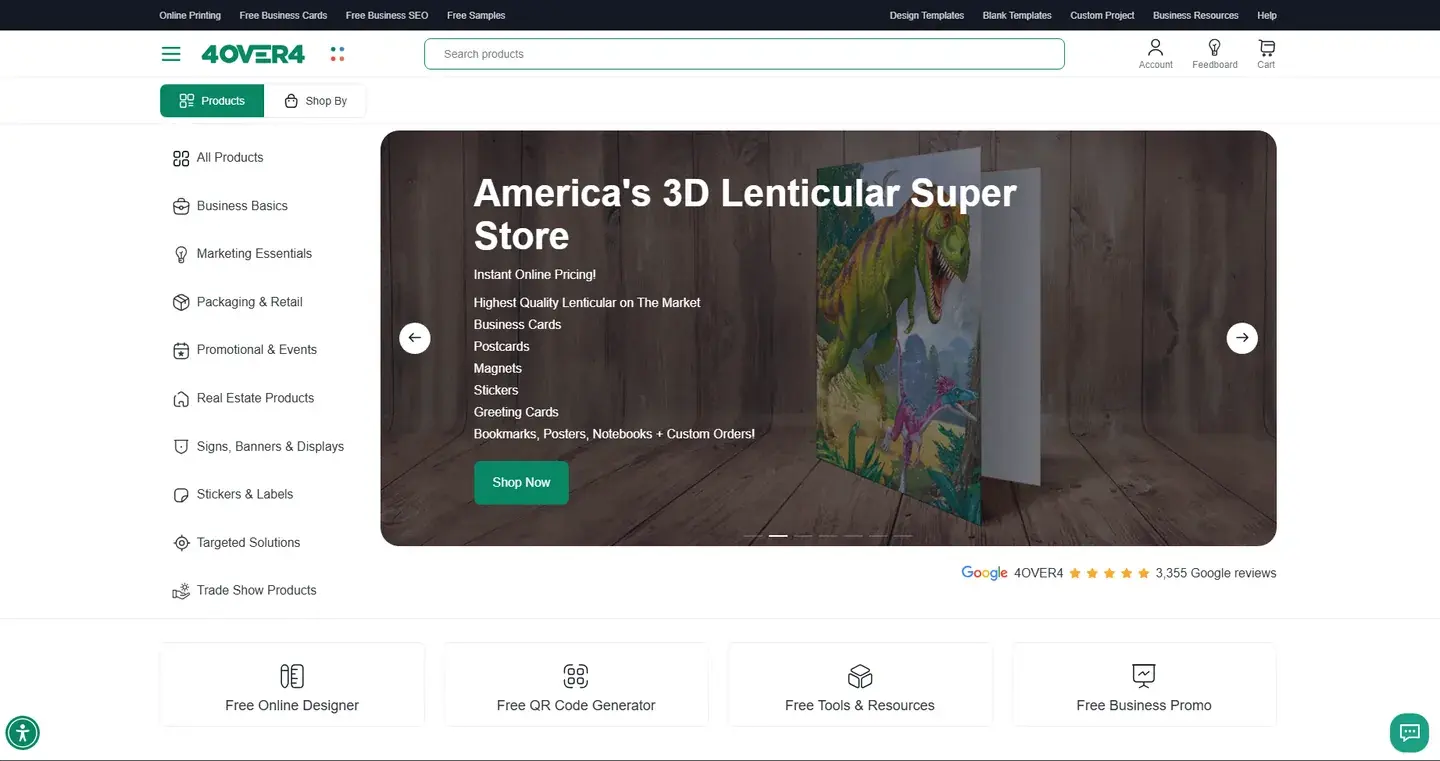
The same work also automated Adobe Illustrator (.ai) to SVG file conversion and added product recommendations for shoppers.
Keep Reading
A US software company, not named, sells a multi-tenant cloud ERP as SaaS to small and mid-sized businesses.
Keep ReadingRelated services and solutions
 AI-enabled custom software development built around your workflow
Netbase provides custom software development for companies whose workflow no off-the-shelf product fits, from discovery through architecture, build, testing and handover, with AI where it removes manual steps and the IP left with you. Since 2012 Netbase has worked with 500+ businesses across 80 countries; according to the published USticker case study, design-tool users converted 40% more often.
Learn More
 AI-enabled digital transformation consulting that ends in a delivery plan
Netbase provides digital transformation consulting for mid-market companies that need a prioritized roadmap with a delivery path, not a deck. We rank every change by value and risk, including where AI removes manual work, and the same team builds it. According to CEO Huy Nguyen (David), Netbase has served 500+ businesses across 80 countries since 2012.
Learn More  An AI-enabled offshore development center in Hanoi, when a long roadmap needs one
An offshore development center (ODC) in Vietnam is a long-running engineering team that a partner abroad staffs, manages and documents for your product roadmap. Netbase runs ODC teams from its only office, in Hanoi, with AI-assisted engineering, weekly governance and knowledge transfer built in. When the work has a defined outcome, a fixed-price project usually fits better.
Learn More  Custom cloud ERP with AI forecasting and document capture: projects, finance, HR and CRM in one system
A custom cloud ERP from Netbase is one browser-based system where a growing company runs its projects, finance, HR and customer relationships on shared data, with AI that reads invoices and forecasts demand and cash. It suits SMEs that have outgrown spreadsheets but not their own way of working, on the foundation of Cloodo Workspace, which Netbase built and runs.
Learn More Related insights

A large Vietnamese vendor brings scale, bench depth and formal process; a boutique or mid-size partner brings senior attention, speed and continuity on one account. Pick by project stage, governance load, continuity need and integration complexity, not by headcount or awards, and you avoid both an overbuilt process and a team that outgrows its vendor.

AI-native software development: what changes for the buyer in scope, speed, review and contract terms
AI-native software development changes the buyer's work more than the buyer's risk: scope must be written as testable acceptance criteria, speed rises in build and test but not in decisions, every AI-written change needs a named human reviewer, and the contract needs AI terms. Netbase delivers this way under human review, mostly on fixed-price milestones.

AI-augmented vs AI-native software companies: how to tell them apart in a proposal
An AI-augmented software company lets its developers use AI tools when they choose, while an AI-native company builds its whole delivery process around AI output that engineers review against written specifications and tests. You can tell them apart in a proposal by checking eight pieces of evidence; this Netbase checklist lists them and applies to every vendor.

What a software development consulting company does before anyone writes code
Before code, a software development consulting company should frame the problem, run discovery, record the architecture decisions, write scope with acceptance criteria and turn all of it into a milestone-based proposal. At Netbase JSC, most projects are then delivered on a fixed price, so each of these steps has to produce a document the buyer can check.
Work with Netbase remotely
Every Netbase engagement is delivered remotely, so clients in any country and any industry can work with us; Netbase has worked with clients in 80 countries. Contracts and invoices are issued by Netbase JSC, and payment is made by bank transfer to Netbase JSC's company account or PayPal Business. Talk to the CEO, Huy Nguyen (David), on WhatsApp or by email.
Discuss a project
Netbase JSC helps organizations design, build, modernize, and operate digital products and AI-enabled business systems.project@netbasejsc.com
+84 937 869 689
91 Nguyen Chi Thanh, Dong Da, Hanoi, Vietnam
Get in touch
Tell us what you want to build, modernize, or operate.