

Mobile app development with AI features for commerce and product teams
Netbase provides mobile app development for retailers, startups and product teams to reach customers on the phone they already use: cross-platform React Native apps and mobile-optimized commerce that loads fast, converts and uses AI where the phone makes it useful. We scope each app in discovery, reuse your existing backend and APIs, and plan the store release with you.
Book a solution review View relevant workReviewed by David (CEO) · Updated 17 Sep 2026

Is your mobile experience losing customers? Book a solution review.
What mobile app development includes
Most buyers now meet a business on a phone first. Mobile development covers two routes to that buyer: an installable app for repeat use, and a mobile-optimized web store for everyone else. We help you choose, then build the one that fits. The service belongs to our Product Engineering family.
Included
- Discovery, user flows and UI/UX design for small screens
- Cross-platform apps for iOS and Android
- Mobile-optimized storefronts and checkout
- APIs and integration with your backend, CRM or ERP
- Push notifications, analytics and crash reporting
- Testing on real devices, release preparation and support
Not included
- App store marketing and paid installs
- Hardware or device procurement
- Games and 3D engines
- App store and developer account fees
- Content writing and product photography
When to use it, and when another route fits
A mobile app earns its place when customers come back often and need something the browser does poorly.
Good fit
- Repeat customers who reorder, track or book regularly
- Features that need the camera, location or notifications
- A field or staff workflow that runs on phones
- A mobile store with slow pages and a leaking checkout
Another route fits better
- Occasional buyers: a fast mobile store is enough
- A catalogue that changes daily and needs no device features
- A desktop-heavy back-office tool
- A brand-new idea with no validated users: start with discovery
Other routes are listed in the services directory.
Outcomes and buyer jobs
Teams hire mobile development to:
An app keeps the account, the history and the next order one tap away.
Faster pages and a shorter checkout for buyers who arrive on a phone.
A cross-platform app keeps features in step across both stores.
The app connects to your existing catalogue, accounts and orders instead of duplicating them.
Capability modules and deliverables
Target users, key flows, app or mobile-web recommendation and a release plan
Wireframes, a clickable prototype and a mobile design system
Cross-platform app with accounts, catalogue, checkout or workflow screens
New or extended APIs, authentication and integration with existing systems
Speed baseline, mobile checkout and measured fixes
Device testing, store submission support, analytics and a support period
Delivery process, team and governance
Every mobile project runs on our six-step delivery lifecycle:
-
Discovery and strategic alignment
Users, flows, platforms and the measures the first release must move.
-
Team assembly and architecture planning
Designers, mobile and backend developers and QA, with the app architecture and API contracts agreed.
-
Agile execution with outcome-based milestones
Working builds on real devices at each milestone.
-
Modular and productized components
Accounts, payments and notifications reuse proven components.
-
Training, rollout and optimization
Store release, staged rollout and the first round of analytics.
-
Ongoing support and co-building
Operating-system updates, fixes and new features.
Teams range from 3 to 30 people, combining business analysts, project managers, solution architects, developers, QA and UI/UX, and work typically starts within one to two weeks after discovery. Netbase has hired React Native developers alongside PHP, Laravel, Magento, WordPress and Python developers, business analysts, project managers and testers. Governance includes weekly reviews, KPI dashboards and a dedicated account manager and project manager. The team works remote-first from Hanoi in English, with test builds shared on real devices each sprint. APIs are designed first, so the app, the web store and any connected device or sensor read the same contracts, and security by design covers authentication, token storage and encrypted traffic from the first build.
AI use cases in mobile apps
The phone brings a camera, location and notifications, which makes several AI features more useful on mobile; existing apps get them through AI integration. Each one is scoped with a fallback, and a person reviews anything that changes an order or an account.
Features for your customers and field teams:
-
Visual search and scanning
Point the camera at a product, label or document to find or capture it.
-
In-app assistant
Answers order, delivery and product questions from your own content, with a hand-off to support.
-
Personalized notifications
Reorder reminders and offers timed to each customer's behaviour, within opt-in rules.
-
Voice and text input
Dictated notes and forms for field and warehouse staff.
-
Connected devices
Readings from IoT sensors or wearables summarised in the app.
How AI supports the build:
- Test generation across devices. Draft UI tests for key flows, reviewed by QA before they join the suite.
- Crash and review triage. Group crash reports and store reviews so the next sprint fixes what users feel most.
AI in this service
Mobile AI features come in two kinds. On-device features, such as image recognition or text suggestions, work offline and keep data on the phone but are limited by device power. API-backed features call a model on a server, which is more capable but needs a connection, cost limits and a fallback when the answer is slow or wrong. Discovery decides which a feature needs. AI-assisted code review and test generation support the build; developers review every change.
-
In delivered work
Recommendation engine
Delivered for 4over4's online printing store, on the web rather than in a native app.
-
Available capability
Computer vision, assistants and AI with IoT in mobile apps
Machine learning, NLP, computer vision and generative AI that Netbase offers; not yet tied to a published mobile app case.
Engagement models and commercial variables
Most Netbase projects are delivered on fixed-price contracts agreed after discovery, and a first app release is usually a project-based build with milestones. Milestone-based, monthly team retainer and KPI-linked terms are also offered, and a dedicated development team is a secondary option for a long roadmap of releases. On-demand support covers updates after launch. We do not publish rate cards.
What moves effort and cost: the number of screens and roles, device features, offline needs, AI features, the integrations behind the app and how many platforms you target.
Technology as an implementation choice
We build cross-platform apps with React Native, which its maintainers describe as a way to create native apps for Android, iOS and more using React, and choose a native route when a feature demands it. The trade-offs are on our frontend and mobile technologies page, in our mobile product development guide and in native vs cross-platform mobile development. To start from proven building blocks, see the mobile product accelerator.
Technologies we build with



Industry applications
Retail and e-commerce. Reorders, loyalty, order tracking and a checkout that works on a small screen. For many retailers the first step is a faster mobile store; the app follows once repeat buyers justify it.
Print and personalized products. Buyers design on their phones. Design tools must stay usable on a small screen and still produce print-ready files.
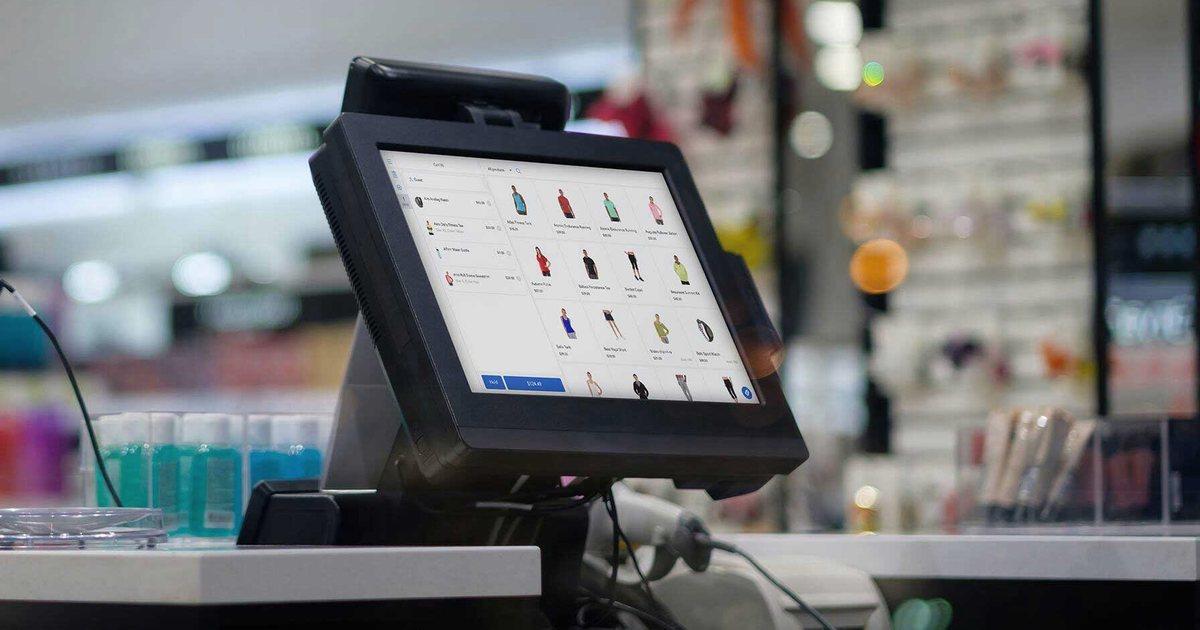 Retail and ecommerce: AI-enabled storefronts, marketplaces and order operations
Netbase helps retailers and online merchants modernize storefronts, marketplaces and order operations, and adds AI where it pays: search, recommendations, catalog enrichment and order exceptions, with your team approving what shoppers see. Results are published: Geo-Tek IT Solutions grew revenue 36% in the first quarter after its new ecommerce platform launched, and an EU fashion marketplace grew GMV 47%.
Learn More
Proof: mobile commerce and apps
Evidence maturity: mobile app development is a growth capability. The 4over4 and USticker records are mobile-optimized commerce projects; the RB Marketplace and Dey Page records are app builds with no published result. Netbase's recognition includes the badge Top Mobile App Developers 2020, Clutch.
4over4 (United States). An online printing store reworked for conversion, including search, navigation and checkout. 4over4 reported revenue up 82% within six months and conversion up 48%. Read the 4over4 case.
USticker. A sticker retailer improved its online design and payment experience. Users of the design tool converted 40% more often, and page load time fell 21%. Read the USticker case.
RB Marketplace (West Africa). A customer shopping app on the marketplace API, with push alerts, social sign-in, order tracking and returns. Read the RB Marketplace case.
Dey Page (Nigeria). A business directory with a React Native app for iOS and Android, in consumer and business-owner modes. See the Dey Page record.
More projects are in our work.
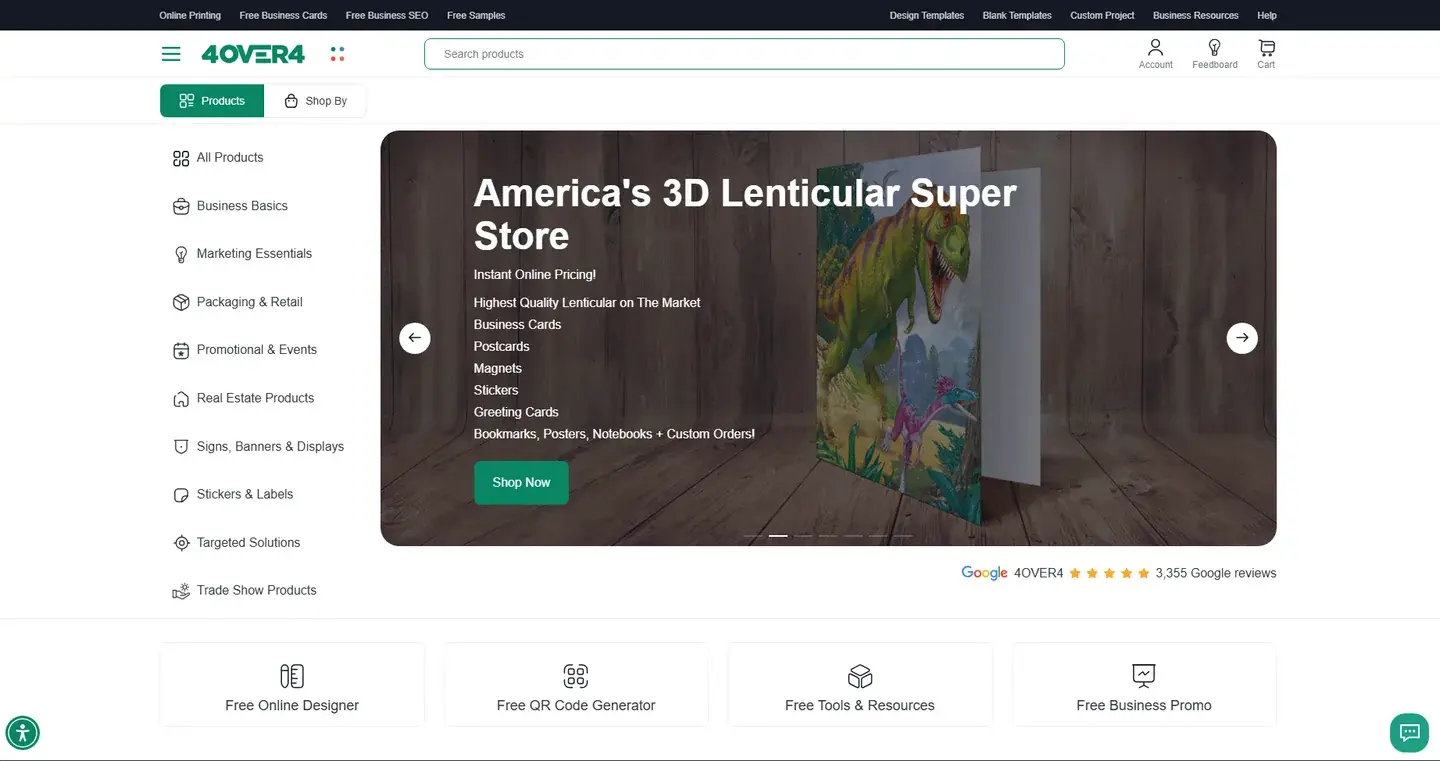
4over4, a US online printing store, had steady traffic but too few orders.
Keep Reading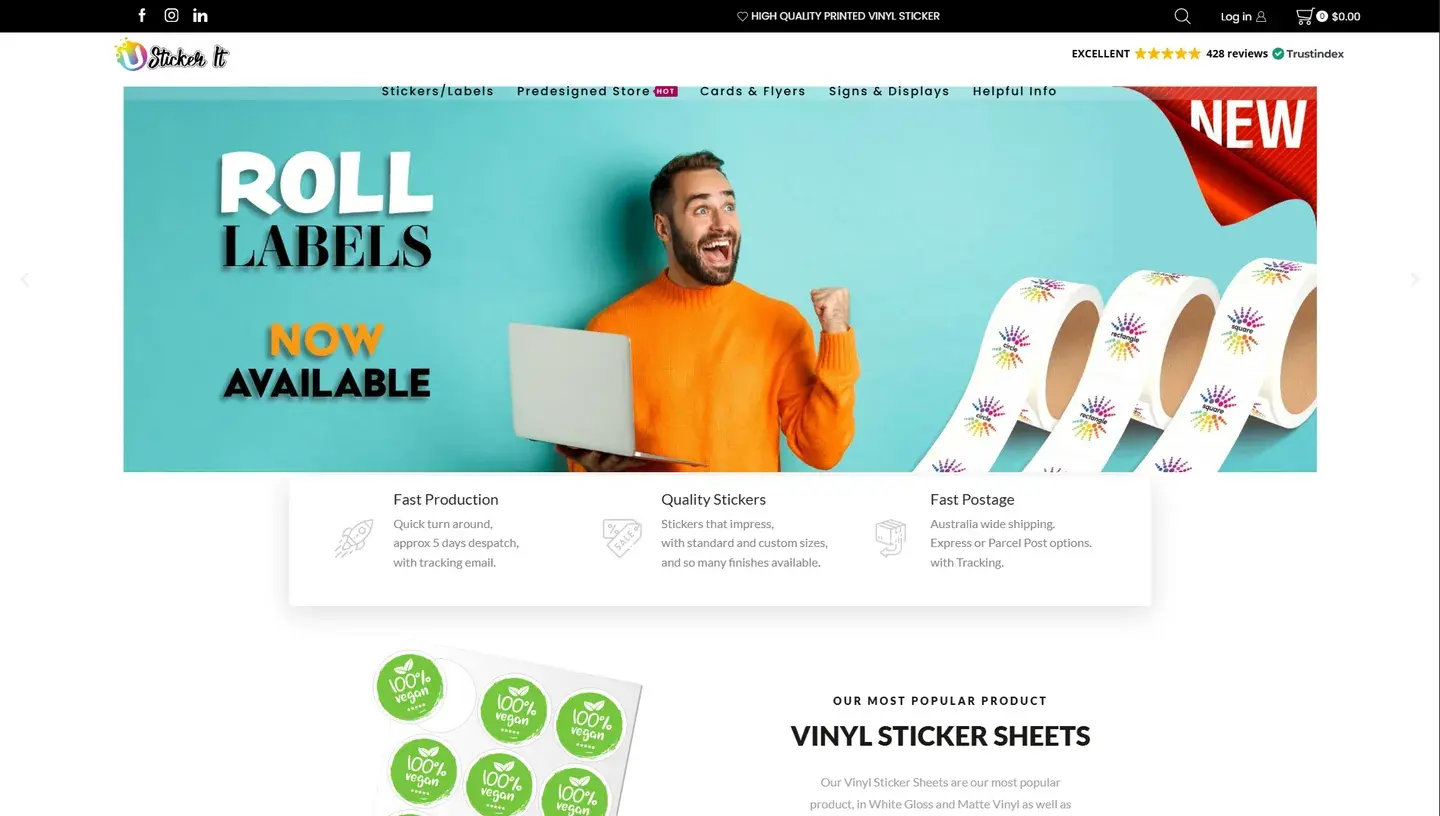
Design-tool users converted 40% more often; online-order revenue rose 15%.
Keep ReadingBuyer FAQ
It depends on screens, features and integrations. We estimate after discovery; our published typical timeline for a SaaS MVP is 8–12 weeks.
Discovery answers that from your customers' behaviour. Many businesses need a faster mobile store first.
You own the IP created for you in custom development.
Usually, yes. We extend or wrap your existing APIs rather than duplicate data; our guide to mobile app backend, APIs and offline sync explains how.
We prepare the builds and support submission; the store accounts stay in your name.
Some can. Image recognition and text suggestions can run on the device; assistants and larger models need a connection, so we design a fallback for poor signal.
Building an app nobody reopens. We validate the repeat-use case before the build.
Related solutions
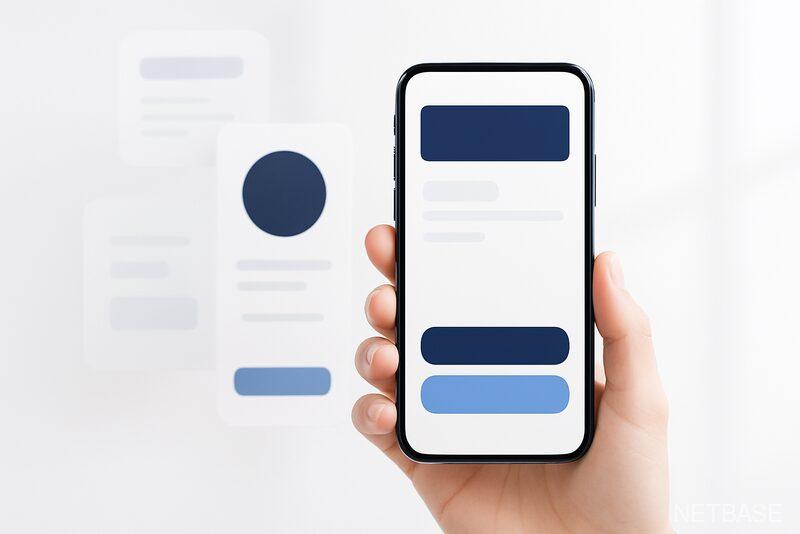 Mobile product accelerator for AI-ready apps: reusable foundations for auth, push, offline and payments
A mobile app accelerator is a set of reusable app foundations, covering sign-in, push notifications, offline data and payments, that Netbase configures for each new product, so the build starts on what makes your app different, such as AI search, personalisation or on-device AI. It is a growth capability, delivered as custom development with cross-platform React Native skills.
Learn More
Service owner and next step
This service is owned by David, Netbase's Chairman, founder and CEO, and maintained by the Netbase Editorial Team. Want a mobile experience your customers come back to? Book a solution review, or view relevant work first.
Discuss a project
Netbase JSC helps organizations design, build, modernize, and operate digital products and AI-enabled business systems.+84 937 869 689
91 Nguyen Chi Thanh, Dong Da, Hanoi, Vietnam
Get in touch
Tell us what you want to build, modernize, or operate.