

When an AI Print-Automation Rollout Underperforms Its Baseline
Diagnose the cause before you act: sort a below-baseline metric into drift at the automation boundary, a misconfigured automate/assist/escalate threshold, an unmeasured confound, or a structural workflow mismatch. The first two usually call for an adjustment, a confound calls for re-measuring rather than changing the capability, and a structural mismatch calls for a rollback.
Book a solution review See the related solutionBy Huy Nguyen (David), Founder & CEO · Updated · 9 min read

This guide is for a print or personalized-product business whose baseline-and-tracking framework has already produced an answer, and the answer is bad: the after-rollout metric for an AI capability — preflight, instant quoting, generative design, agent/MCP ordering, AI customer service, production routing or catalog enrichment — is worse than the baseline recorded before it launched. It assumes the tracking is already in place; our e-commerce development team builds and adjusts the capabilities this guide diagnoses.
In this guide
- Why would a tracked AI print-automation metric fall below its own baseline?
- Sort the cause before choosing a response
- The diagnose-then-decide runbook
- Where AI fits
- What delivery record exists, and what does not
- Alternatives: adjust, retrain or re-pilot, or roll back
- Limits of this guide
- Frequently asked questions
- Next step
Why would a tracked AI print-automation metric fall below its own baseline?
A metric falls below baseline for one of four reasons, and each calls for a different response. The input the capability sees has drifted from what it was tuned on — a new paper stock, a new customer segment, a new order mix — which usually calls for an adjustment. The automate/assist/escalate threshold was set wrong from the start or never revisited, which also calls for an adjustment. A confound the tracking framework's own review window missed — a price change, a staffing change, a concurrent platform migration — is inflating or masking the real number, which calls for re-measuring, not changing the capability. Or the capability was never a structural fit for the workflow it was placed in, which no threshold change fixes and which calls for a rollback. Confusing these four is the most common mistake: tuning a threshold against a confound, or retraining a model against a structural mismatch, spends effort without moving the metric.
Sort the cause before choosing a response
| Likely cause | What it looks like in the tracked metric | Decide |
|---|---|---|
| Drift at the automation boundary | The exception or escalation rate climbs gradually as inputs change (new stock, new segment, new order mix) | Adjust the automate/assist/escalate threshold first |
| Misconfigured threshold | The rate was already high from week one, with no gradual change | Adjust the threshold, or retrain/re-pilot if adjustment alone does not close the gap |
| Unmeasured confound | The metric moved sharply at the same time as a price, staffing or platform change the tracking window did not isolate | Re-measure with the confound separated out before changing anything |
| Structural workflow mismatch | Repeated adjustment and retraining do not close the gap, and the capability's job was never a good fit for how the workflow actually runs | Roll back to the pre-automation manual or assisted step |
The diagnose-then-decide runbook
-
Confirm the baseline and the metric are the same definition
Using the tracking framework's own rule, re-check that the after-rollout number is measured the same way, on the same sample, as the recorded baseline; a changed definition is not an underperformance.
-
List every concurrent change in the review window
price, marketing, staffing, a platform migration — before touching the capability. If one explains the gap, re-measure with it separated out and stop here.
-
Classify the gap using the table above
Look at whether the rate climbed gradually (drift), was high from the start (misconfiguration), or neither (possible structural mismatch).
-
Adjust first, on a bounded trial
Move the automate/assist/escalate threshold one step, on a fixed sample and review window, before any retraining or re-piloting; an adjustment is reversible and cheap to test.
-
Retrain or re-pilot only after a clear diagnosis
Retraining or re-running a smaller pilot is justified when the diagnosis points at the model or the rule set itself, not at the threshold position; use the same before/after sample definition so the new result is comparable to the original baseline.
-
Roll back when adjustment and retraining both fail to close the gap, or the diagnosis is structural
A rollback means returning the step to its pre-automation manual or assisted state, not a software "undo"; plan who does the work and how orders already in flight under the automated step are handled.
-
Re-baseline after any adjustment, retrain or rollback
The capability's rules have changed, so the old baseline no longer describes the system being measured; start a new before/after window per the tracking framework.
Where AI fits
The diagnosis categories above exist because each AI print-automation capability has its own automate/assist/escalate boundary, set and measured per the capability-specific guides linked in this cluster; a threshold adjustment or a retrain is a change to that boundary, not a different kind of system.
-
In delivered work
Product recommendation engine
Built for 4over4's online printing store from browsing and purchase history; production time fell 40% and 200+ templates went live in three months, the one delivered AI feature with a published before/after figure this guide can point to as a capability that met, not missed, its baseline.
-
Available capability
AI-assisted drift flags on a tracked metric
Flagging automatically when a capability's after-rollout metric starts drifting away from its own baseline, before a human notices the trend, is a machine learning feature; not yet tied to a published Netbase project.
What delivery record exists, and what does not
Netbase has delivered 50+ custom web-to-print platforms (F014), each one requiring the same baseline-and-threshold discipline as any live automation that is tuned after launch, not just at launch. The only published before/after figures for a delivered automation feature are 4over4's: 4over4's recommendation engine shipped alongside an automated Adobe Illustrator (.ai) to SVG file conversion — file-format workflow automation, not artificial intelligence — and together the project's registered results show production time down 40% and 200+ templates live within three months (F028, F031), a capability whose own tracked numbers never fell below baseline in the published record. Netbase's own AI practice is model-agnostic, working with major commercial and open-source models chosen per project (F070, F073), which is why a vendor or model swap is presented here as one adjustment option, not a named vendor claim. Netbase has also built personalization and AI-adjacent editor features — a remove-background tool and a cartoon filter for an unnamed print client, and a 3D product preview and background-image picker for named clients Rebelo AG and USticker — with no published before/after figure for any of them (F141, F149); they are not used as diagnosis examples here beyond showing that the scope exists. What does not exist: a published Netbase record of actually rolling back a live AI print-automation capability, or any published duration, cost or success rate for an adjustment or a retrain; this guide states the decision method, not a track record of using it.
Alternatives: adjust, retrain or re-pilot, or roll back
| Option | Strength | Risk | Choose it when |
|---|---|---|---|
| Adjust the automate/assist/escalate threshold | Fast, cheap, reversible; tests one variable at a time | Can mask a deeper problem if repeated without a clear diagnosis | The diagnosis shows drift or a misconfigured threshold, and no adjustment has been tried yet |
| Retrain the model or re-pilot the rule set | Fixes a genuine model or rule problem a threshold cannot reach | Costs time and a fresh evaluation sample; still fails if the real issue is structural | Adjustment alone does not close the gap, and the diagnosis points at the model or rules, not the threshold |
| Roll back to the pre-automation step | Removes the underperformance immediately; buys time to redesign | Returns the labour or time cost the capability was meant to remove; may disrupt orders already in flight | Adjustment and retraining have both failed, or the diagnosis is a structural workflow mismatch |
Limits of this guide
- This is a diagnosis and decision method, not a benchmark; no accuracy percentage, pilot duration, rollback cost or recovery time is published here for any capability beyond the registered F031 numbers, which describe a capability that met its baseline, not one that underperformed it.
- It does not replace the tracking framework that produces the baseline and the after-rollout metric this guide starts from, and it does not replace the scorecard's pre-purchase evaluation.
- It does not cover a single wrong action by an autonomous agent on a live order; that containment-and-recovery question is a different trigger from a sustained below-baseline metric, and is out of scope here.
- A short review window after an adjustment or a retrain can still show adoption lag, not failure; the "measure too early" caution the tracking framework gives before rollout applies again after any change.
Plan the next step with a Netbase consultant
Frequently asked questions
You usually cannot from one data point; pull the metric's trend over the review window. A rate that climbed gradually points to drift; a rate that was already high in the first measured period points to a threshold that was wrong from the start.
Only when the diagnosis is already structural — repeated adjustment attempts have not worked, or the capability's job plainly does not fit how the workflow runs. Otherwise a bounded, reversible adjustment is faster to test and cheaper to undo than a rollback.
Returning the specific step to its pre-automation manual or assisted state — for example routing quotes back to a human estimator — not a technical undo of software changes; plan for the labour the capability was removing and for orders already in flight under the automated step.
Next step
Run the diagnosis against your own tracked metric, then book a solution review to weigh an adjustment, a retrain or re-pilot, or a rollback against our web-to-print delivery experience.
Work behind this guide
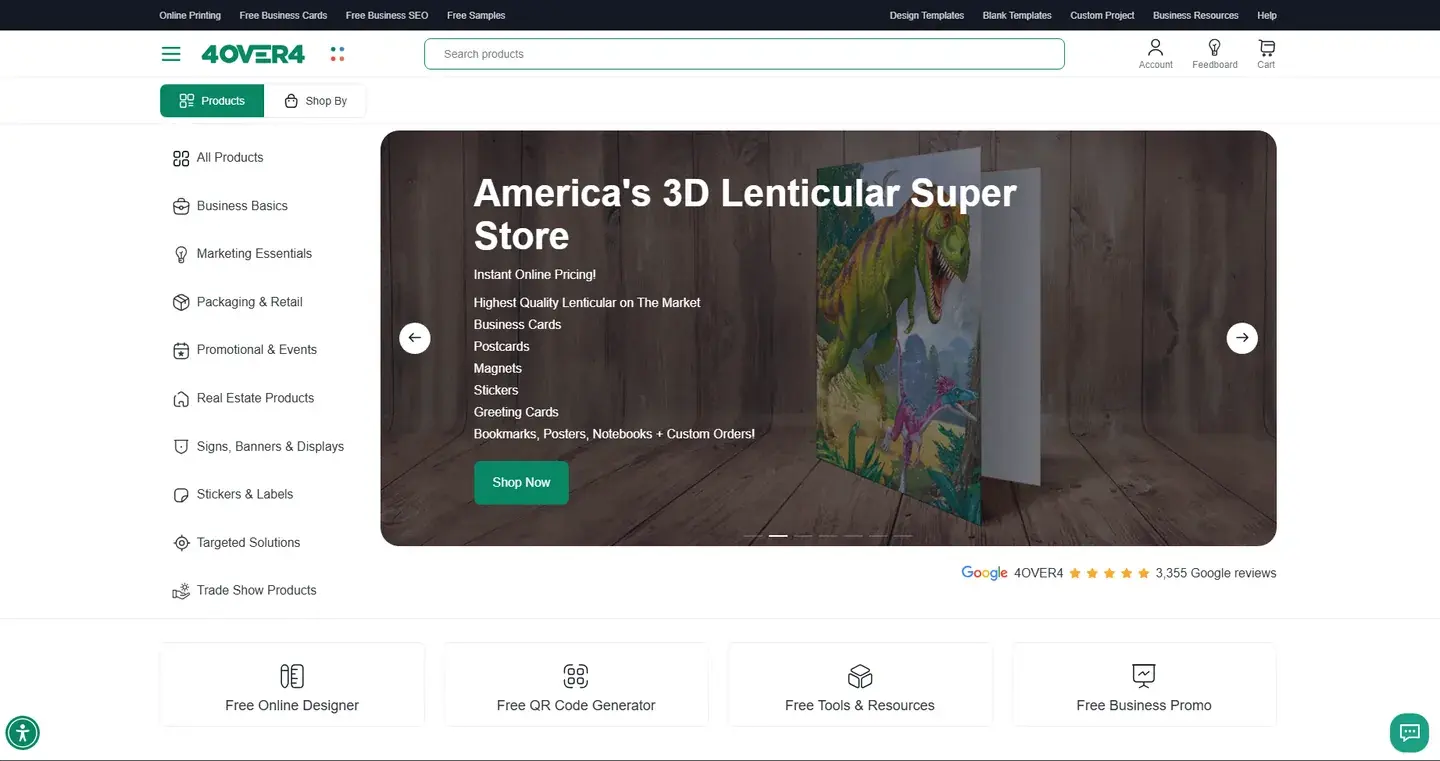
Within six months 4over4 reported 82% higher e-commerce revenue and a 48% higher conversion rate.
Keep Reading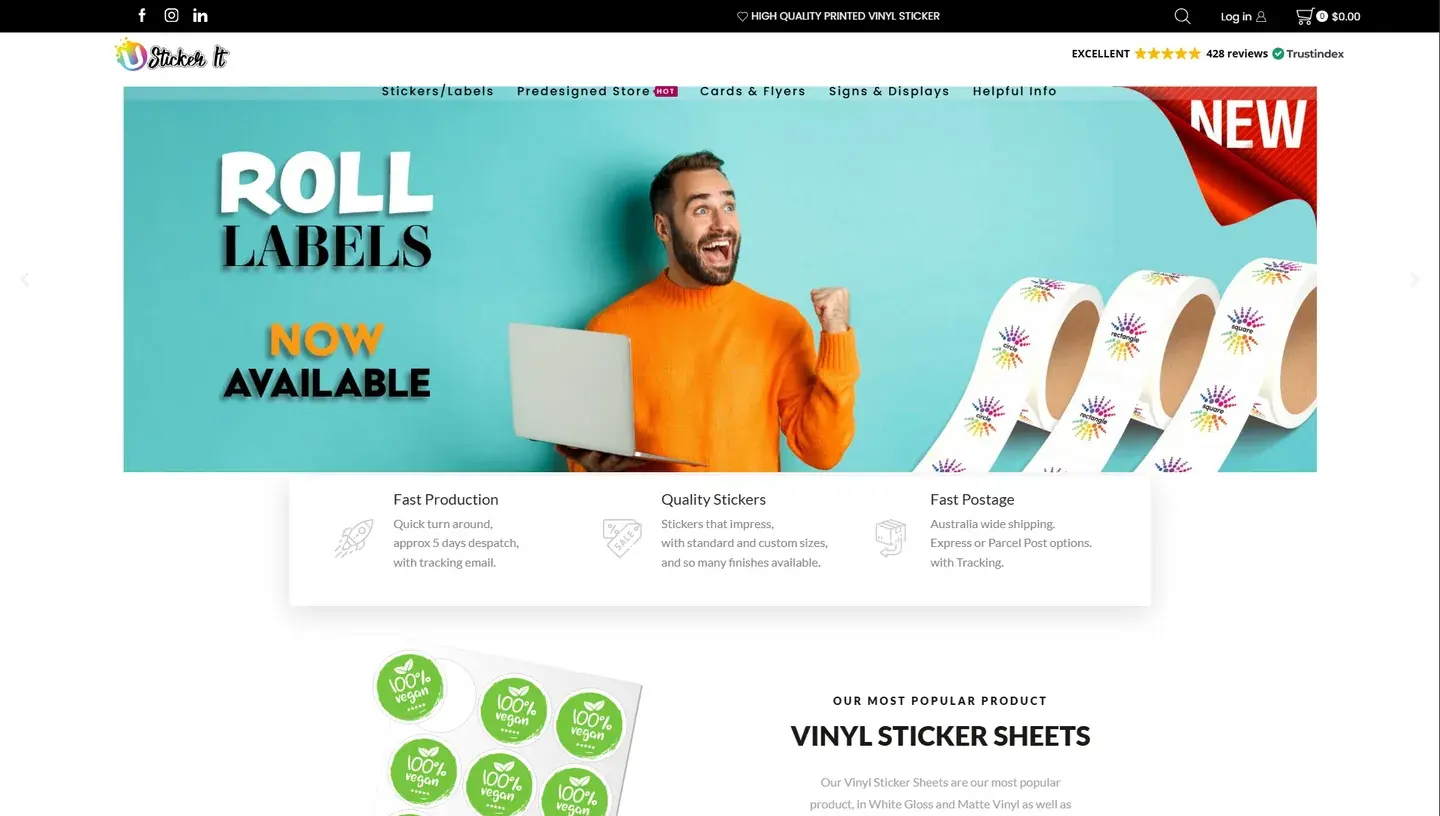
Netbase JSC built the feature and integrated a payment gateway, delivered remotely.
Keep ReadingRelated services and solutions
 AI-enabled ecommerce development for merchants who outgrew templates
Netbase provides custom ecommerce development for merchants that have outgrown templates, to turn traffic into orders with less manual work, using AI for search, recommendations and catalog work where it pays. We build on WooCommerce, Magento 2, Laravel and headless stacks; 4over4, whose store gained an AI recommendation engine, reported 82% more revenue within six months.
Learn More
 Web-to-print platform with AI design assistance, from online design to a print-ready order
A web-to-print platform is an online ordering, design and prepress workflow that helps print businesses sell custom products: customers configure, design and approve their order online, AI can suggest layouts and catch artwork problems, and production receives a print-ready file. Netbase has delivered 50+ custom web-to-print platforms across apparel, packaging, signage, promotional merchandise and corporate B2B portals.
Learn More
Work with Netbase remotely
Every Netbase engagement is delivered remotely, so clients in any country and any industry can work with us; Netbase has worked with clients in 80 countries. Contracts and invoices are issued by Netbase JSC, and payment is made by bank transfer to Netbase JSC's company account or PayPal Business. Talk to the CEO, Huy Nguyen (David), on WhatsApp or by email.
Discuss a project
Netbase JSC helps organizations design, build, modernize, and operate digital products and AI-enabled business systems.project@netbasejsc.com
+84 937 869 689
91 Nguyen Chi Thanh, Dong Da, Hanoi, Vietnam
Get in touch
Tell us what you want to build, modernize, or operate.