

Selling custom wallpaper online: sample orders, made-to-measure sizes and print-ready files
To sell custom wallpaper online, a print business needs three things a normal print store lacks: a sample of the exact design and variation before the large order, a configurator that turns wall measurements into panels, and one print-ready file per panel. Netbase builds these on top of an existing web-to-print store.
Book a solution review See the related solutionBy Netbase Web-to-Print and Print Commerce Desk · Reviewed by David (CEO) · Updated · 10 min read

This guide is for wallpaper and wall-covering printers, interior print brands and print-on-demand sellers that want made-to-measure orders to run without email back-and-forth. The web-to-print platform guide covers the platform choice, and e-commerce development covers the build.
In this guide
- Why is wallpaper harder to sell online than other print products?
- Which sample model should the store offer?
- How does a wall size become panels?
- How to specify the store, step by step
- Where AI fits
- What delivery record exists, and what does not?
- Alternatives: which route fits your business?
- When should you not build a wallpaper configurator?
- What are the limits of this guide?
- Frequently asked questions
- Next step
Why is wallpaper harder to sell online than other print products?
Wallpaper is bought by the wall, not by the piece. The buyer orders many panels at once, cannot judge colour or material on a screen, and the order is printed to their measurements, so it cannot be resold. Every mistake is large, and it is usually found only on the wall.
-
Wrong colour or material
- Where it starts
- A screen cannot show texture or print colour
- What the store must do
- Offer a sample of the exact design, colour and material
-
Wrong quantity
- Where it starts
- The buyer guesses how many rolls or panels to order
- What the store must do
- Calculate panels from wall width and height
-
Pattern that does not join
- Where it starts
- The design does not repeat cleanly across panels
- What the store must do
- Check the repeat and keep the pattern continuous panel to panel
-
Blurred print
- Where it starts
- A small image stretched over a whole wall
- What the store must do
- Check resolution against the printed size before checkout
-
Wrong hanging order
- Where it starts
- Panels arrive without numbers
- What the store must do
- Number each panel and its file
Sellers already treat this as a rule. Wallmur's custom wallpaper page states that made-to-measure orders cannot be returned and offers a free print proof before payment, so the checks have to happen before the order, not after it.
Which sample model should the store offer?
A sample answers the colour and material question before the buyer commits. Three models are common, and the right one depends on how custom the main product is.
| Criterion | Generic material swatch | Sample of the exact design and variation | Sample credited to the full order |
|---|---|---|---|
| What the buyer receives | A swatch of the paper type, often with a stock print | A piece of the chosen design in the chosen colour and material | Either of the others, with the sample cost deducted later |
| Best for | Stores where customers upload their own artwork | Catalogue designs sold in several colourways and materials | High-value orders where the sample is a step in the sale |
| Main risk | The buyer approves a material, not their design | Each sample is a small print job that production must handle | The credit has to be tracked from sample order to full order |
| What the store must build | A sample product per material | A sample option tied to the product's variations, with its own price | A link between the two orders and a rule for when the credit expires |
Supplier pages show both of the first two models. Fancywalls' print-on-demand wallpaper page lets a seller order a sample from the same creator used for the full design and asks for a different design, colourway or material for each sample in a bundle. In a WooCommerce store, the exact-design sample is usually a choice among the product's variations, so it inherits the size, colour and material the buyer has already picked.
How does a wall size become panels?
The configurator should ask for the wall and compute everything else. Asking the buyer for a number of rolls moves the hardest calculation onto the person least able to do it.
-
Wall width and height, one unit for every wall
- Rule the store applies
- Add the trim allowance the printer sets at top and bottom
- Output
- The printed drop per panel
-
The number of walls, if the design runs across several
- Rule the store applies
- Add the widths and treat them as one run
- Output
- One continuous design across the walls
-
The material
- Rule the store applies
- Look up the printable panel width for that material
- Output
- The number of panels, rounded up
-
The design or uploaded image
- Rule the store applies
- Check the repeat or the resolution against the printed size
- Output
- A pass, a warning, or a block before checkout
Panel widths and repeats are set by the printer and the material, not by the store. Printshape's wallpaper panels page lists 20.5 inch and 26 inch as its standard widths and asks for one full repeat of the pattern to print panels, while Fancywalls gives 76 cm panels with a 76 cm by 76 cm repeat. Wallmur tells buyers to measure the full width and height without subtracting doors, windows or outlets, because those are cut out during hanging. A store that encodes these rules per material gives every buyer the same answer.
How to specify the store, step by step
-
List the products and materials
Write down every material, its printable width, the trim allowance and whether it is sold as made-to-measure panels, fixed rolls or both.
-
Define the sample product
Choose the sample model from the table above, the sample size, and whether the sample price is set per product or per material.
-
Build the size step
Ask for width and height per wall, compute drops and panels, and show the result on a preview of the wall before checkout.
-
Check the artwork
For uploaded images, compare pixel size with the printed size and warn or block below the printer's threshold; for catalogue designs, confirm the repeat is complete.
-
Generate one print file per panel
Split the design into numbered panels with the agreed allowance, the colour profile and a file name that carries the order, panel and material.
-
Hand production a hanging plan
Each order carries the panel list in hanging order, the wall sizes and the approved preview, so the installer and the press read the same record.
-
Link samples to full orders
Record which sample a full order follows, so support can see what the buyer approved.
Netbase's AI preflight guide covers step four in depth. For step five, Web2Print Solutions, a Netbase brand, offers print-ready PDF and prepress automation: generating print-ready PDF from web orders to a PDF/X, colour and bleed specification with automated preflight.
Where AI fits
AI helps around the wallpaper order, not in the measurements. A model can suggest which colourway of a design suits a room photo, upscale or flag an uploaded image before the resolution check, and draft product descriptions for new designs. The panel count, the repeat check and the file split stay deterministic rules that engineers test like any checkout rule. Netbase works with the major commercial and open-source AI tools and models, chosen per project, and the delivered AI feature named with a client is 4over4's recommendation engine, which suggests products from browsing history and previous purchases.
Keep the decision with people: an AI suggestion may change what the buyer sees, never the panel count or the file that goes to press.
- In delivered work
Document AI platform
For a client not named, outside print, Netbase delivered document AI; no Netbase record yet applies AI to wallpaper orders.
- Available capability
AI-assisted image checks and design suggestions
Upscaling hints and colourway suggestions shown to the buyer or staff for confirmation; not yet tied to a published wallpaper case.
What delivery record exists, and what does not?
Netbase has delivered 50+ custom web-to-print platforms across apparel, packaging, signage, promotional merchandise and corporate B2B portals. Two records sit closest to this topic.
- A wallpaper printing business with a Dutch-language store (client not named). On the CMSmart WordPress Printstore premium package, Netbase's CMSmart division drafted the workflow in a few days and built a Buy a Sample function in about ten days: the shopper picks a design and its size, colour and material, and orders a sample at a fixed sample price the admin sets per product. See the wallpaper sample ordering record.
- A large-format inkjet printer in Singapore (client not named). Shoppers upload PDF artwork in the online designer, each page becomes an editable high-resolution image, and a pop-up warns about low-resolution uploads. See the large-format store record.
What does not exist. No published Netbase record describes a delivered wallpaper size calculator, panel split or hanging plan. The size rules and file steps in this guide are a specification framework, not a measured result, and no order, return or sales figure is claimed for either record.
Alternatives: which route fits your business?
| Route | Strength | Choose it when |
|---|---|---|
| Route orders to a print-on-demand supplier | Supplier prints, cuts and ships; nothing to build | Volume is low and the supplier's materials and panel widths fit your range |
| A packaged print store with a sample option | Proven checkout and designer | You sell catalogue designs in fixed sizes and need samples first |
| A packaged store plus a custom size and file step | Reuses the store you run, adds the wallpaper rules | Made-to-measure is a core line and you print in-house |
| A fully custom store | Every rule fitted to your materials and production | Wallpaper sits beside other complex products and the package no longer fits |
In Netbase's delivery, these steps are scoped inside a web-to-print or e-commerce engagement, and most Netbase projects run on fixed-price contracts agreed after discovery. The online design editor guide covers whether to build, buy or extend the editor underneath, and the web-to-print customer stories show related print stores.
When should you not build a wallpaper configurator?
Do not build one if you sell only ready-made rolls in fixed lengths, because a roll calculator and a sample product are enough. Do not build one either if a supplier already prints made-to-measure panels from your designs and its sample and size rules suit your buyers; routing orders to it is cheaper than owning the rules. Build when made-to-measure is your main product and you need the size, file and production rules under your own control.
What are the limits of this guide?
- Panel widths, repeats and allowances differ by printer and material; the examples cited are suppliers' own rules, not standards.
- Resolution thresholds depend on viewing distance and the press; agree them with production before you code them.
Plan the next step with a Netbase consultant
Frequently asked questions
Sellers commonly set a sample price, and the store should let the admin set it per product or per material. Whether the price is credited to a later full order is a business decision; if it is, the store must link the sample order to the full order.
The buyer enters the width and height of each wall, and the store adds the trim allowance, divides the total width by the printable panel width of the chosen material, and rounds up to whole panels.
One numbered print file per panel, with the agreed allowance and colour profile, plus a hanging plan that lists the panels in order with the wall sizes and the approved preview.
Next step
Tell us how wallpaper orders reach your shop today and where sizes, samples or files go wrong, and we will book a solution review to map the rules your store needs. The web-to-print platform solution shows how Netbase delivers it, and printing and packaging covers the industry view.
Work behind this guide
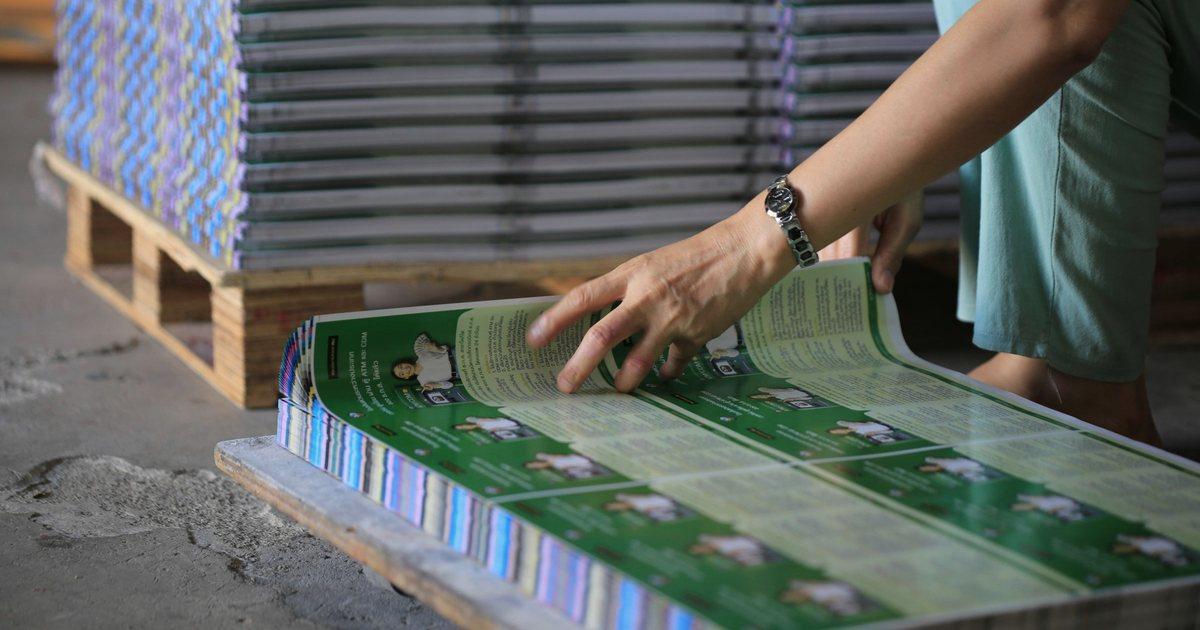
Netbase, through its CMSmart division, rebuilt the site remotely over several phases with its own interface, workflow and custom functions, including PDF artwork that shoppers edit inside the online designer.
Keep Reading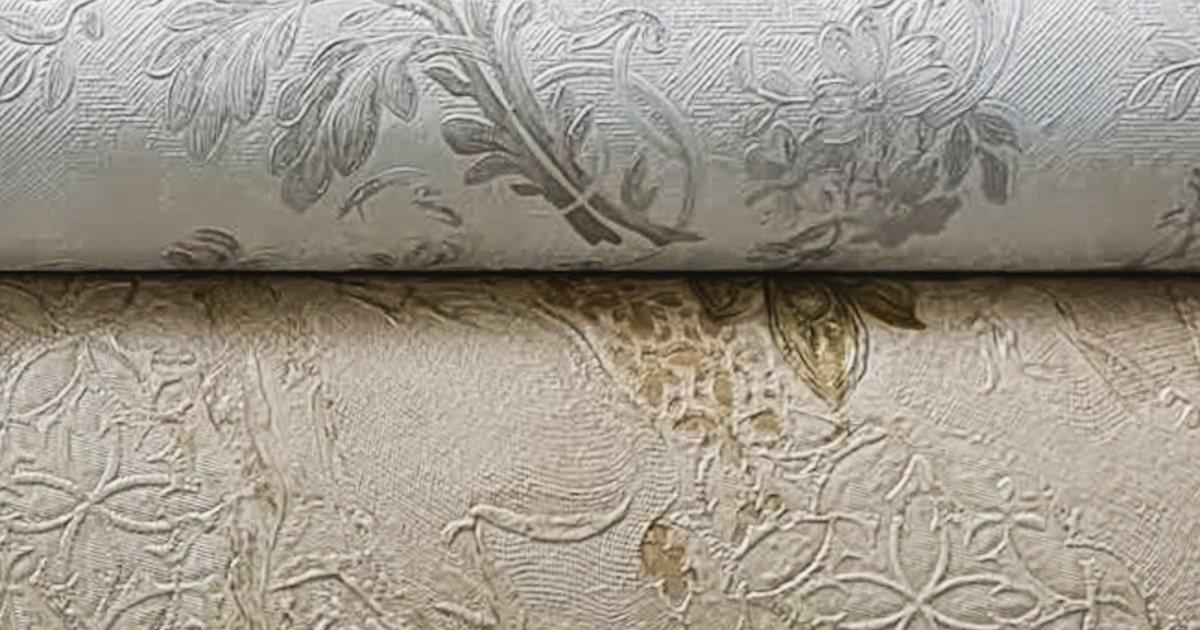
A wallpaper printing business with a Dutch-language shop, not named and in a country the record does not state, needed shoppers to order a sample before buying wallpaper in quantity.
Keep ReadingRelated services and solutions
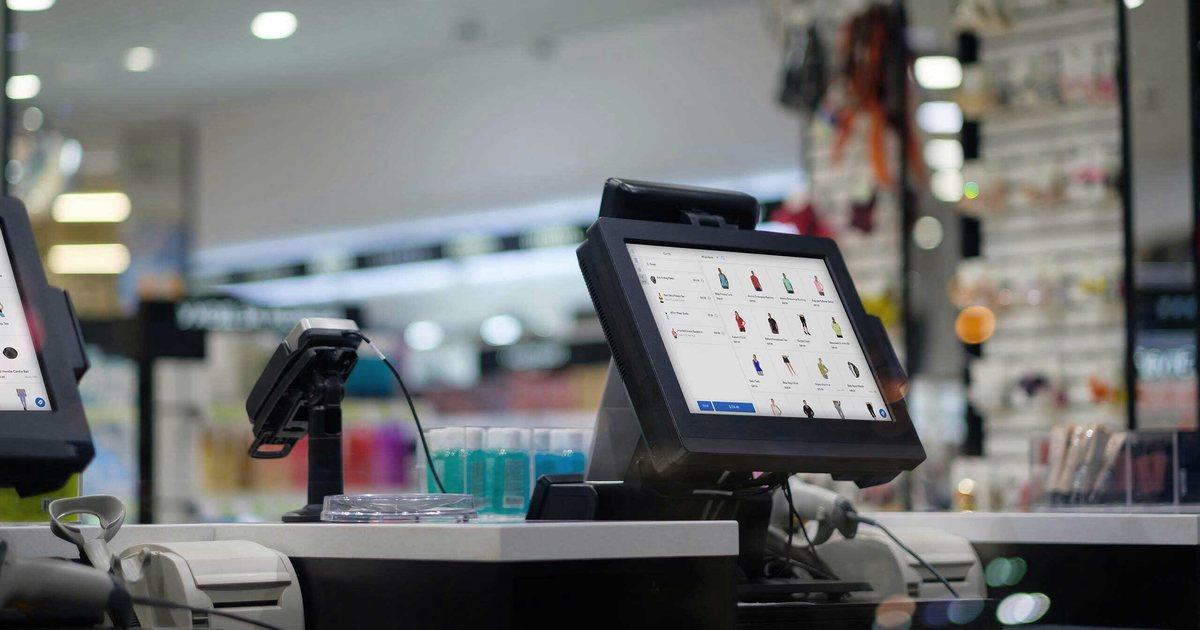 AI-enabled ecommerce development for merchants who outgrew templates
Netbase provides custom ecommerce development for merchants that have outgrown templates, to turn traffic into orders with less manual work, using AI for search, recommendations and catalog work where it pays. We build on WooCommerce, Magento 2, Laravel and headless stacks; 4over4, whose store gained an AI recommendation engine, reported 82% more revenue within six months.
Learn More
 Web-to-print platform with AI design assistance, from online design to a print-ready order
A web-to-print platform is an online ordering, design and prepress workflow that helps print businesses sell custom products: customers configure, design and approve their order online, AI can suggest layouts and catch artwork problems, and production receives a print-ready file. Netbase has delivered 50+ custom web-to-print platforms across apparel, packaging, signage, promotional merchandise and corporate B2B portals.
Learn More  Product personalization software with AI design suggestions: let shoppers design what they buy
Product personalization software lets shoppers design custom products online, adding their own text, images and options with a live preview and AI design suggestions before they buy. Netbase builds it into commerce platforms: at USticker, shoppers using the design tool converted 40% better, and Indieprint cut design errors 28% with automated print-ready files.
Learn More Related insights

A web-to-print implementation succeeds when ten things are settled before launch: products and pricing, the online designer, previews, print-ready files, checkout, speed, integrations, ownership, accessibility and a recorded baseline. This checklist turns each one into a decision with an owner and a test, drawn from Netbase's delivered print projects.

Web-to-print software: architecture, AI design assistance, build vs buy, and ROI
Web-to-print software must do four jobs: sell print products with rule-based pricing, let buyers design online, turn every design into a print-ready file, and pass the order to your MIS or ERP. AI assists design and repairs rough uploads. Buy when a product fits your workflow, build when the workflow is your edge, and measure ROI against a baseline.

Web-to-print customer stories: what print businesses asked for, and where AI fits
Print businesses rarely need a whole new platform. Customers of Netbase's CMSmart division, from label and invitation printers to a Singapore large-format printer, mostly started with a packaged print store or online designer and asked for the few changes their orders depended on. This guide groups those stories by use case and shows where AI fits today.

Online design editor for print: buy it, extend it or build it
Buy a proven online design editor when your products are standard and your advantage lies elsewhere. Extend a bought editor when you need a few tools it lacks, such as a page preview bar or a background picker. Build your own only when the editor itself is why buyers choose you and you can fund its upkeep for years.
Work with Netbase remotely
Every Netbase engagement is delivered remotely, so clients in any country and any industry can work with us; Netbase has worked with clients in 80 countries. Contracts and invoices are issued by Netbase JSC, and payment is made by bank transfer to Netbase JSC's company account or PayPal Business. Talk to the CEO, Huy Nguyen (David), on WhatsApp or by email.
Discuss a project
Netbase JSC helps organizations design, build, modernize, and operate digital products and AI-enabled business systems.project@netbasejsc.com
+84 937 869 689
91 Nguyen Chi Thanh, Dong Da, Hanoi, Vietnam
Get in touch
Tell us what you want to build, modernize, or operate.